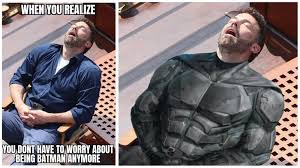
The Ben Affleck meme has become one of the most recognizable and relatable internet trends of the modern era. Unlike traditional memes that rely purely on humor, this meme stands out because it captures raw human emotion—fatigue, boredom, and quiet frustration. Over time, it has evolved into a symbol of everyday struggles, making it highly shareable across social media platforms. What makes it unique is how a globally famous celebrity unintentionally became the face of universal exhaustion and emotional burnout.
What the Ben Affleck Meme Actually Means
At its core, the Ben Affleck meme represents emotional relatability. It is often used to express feelings like being mentally drained, socially exhausted, or simply “done” with everything. The facial expressions and body language shown in these memes reflect a silent reaction rather than exaggerated comedy. This subtlety is what makes it powerful. People don’t just laugh at it—they see themselves in it. The meme has become a digital shorthand for emotions that are difficult to put into words.
The origins of the meme can be traced back
to a series of public appearances and candid moments where Ben Affleck appeared visibly tired or disengaged. One of the earliest viral moments came from an interview clip where he looked emotionally distant. This moment was captured, shared, and quickly turned into a reaction meme. Over time, paparazzi photos showing him smoking alone, holding coffee, or staring blankly added new layers to the meme’s identity. Each new image reinforced the same narrative: a man overwhelmed by life.
Evolution of the Meme Over Time
The meme did not remain static. Instead, it evolved through multiple phases, each adding new meaning and context. Initially, it was about sadness or emotional detachment. Later, it shifted toward boredom and social fatigue, especially during public events where he appeared uninterested. More recently, the meme has taken on a broader meaning, representing burnout culture and modern stress. This evolution has allowed it to stay relevant for years, adapting to changing internet humor and societal moods.
Major Variants of the Meme
One of the reasons for the meme’s longevity is the variety of formats it has produced. The “sad expression” version is often used to depict emotional disappointment. The “smoking outside” version symbolizes taking a break from overwhelming situations. The “holding coffee” version reflects early morning exhaustion or routine fatigue. The “event boredom” version is used to show disinterest in social gatherings. Each variation serves a slightly different emotional purpose, making the meme versatile and widely applicable.
Why People Find It So Relatable
The relatability factor is the driving force behind the meme’s success. Unlike exaggerated or unrealistic memes, this one mirrors real-life emotions. People often experience moments of silence, fatigue, and mental overload, and this meme captures those feelings perfectly. It also breaks the illusion of celebrity perfection. Seeing a well-known figure appear tired or overwhelmed humanizes them, making audiences feel more connected. This emotional authenticity is rare in meme culture and is a key reason for its viral nature.
Psychological Appeal Behind the Meme
From a psychological perspective, the meme works because it taps into shared emotional experiences. It acts as a form of emotional validation, allowing users to express feelings without directly stating them. This aligns with the concept of emotional projection, where individuals project their own feelings onto an external image. The meme also serves as a coping mechanism. By turning stress into humor, people can process their emotions in a lighter, more manageable way.
Role of Social Media in Its Popularity
Social media platforms have played a crucial role in amplifying the meme. Platforms that prioritize visual content make it easy to share and reinterpret the images. The meme’s simplicity allows it to be quickly understood without context, making it ideal for fast-scrolling audiences. It is often used in comments, captions, and reaction posts, increasing its visibility and engagement. The ability to adapt the meme to different situations has made it a staple in online communication.
How the Meme Reflects Modern Culture
The Ben Affleck meme is more than just entertainment—it reflects broader cultural trends. In a world where people are constantly connected and under pressure, feelings of burnout and fatigue are common. The meme captures this collective experience in a single image. It also highlights the shift toward authenticity in digital culture. Audiences are increasingly drawn to content that feels real rather than polished or artificial. This meme fits perfectly into that trend.
Common Situations Where the Meme Is Used
The meme is often used in everyday scenarios that involve stress or lack of motivation. It can represent the feeling of returning to work after a break, dealing with long meetings, or facing unexpected problems. It is also used humorously in social situations, such as attending events without enthusiasm or dealing with awkward interactions. Its flexibility allows it to fit a wide range of contexts, making it one of the most adaptable memes online.
Content Patterns Found in Top Articles
Most existing content about the meme follows predictable patterns. Articles usually start with a brief explanation, followed by a collection of images or examples. Some include a short history or mention popular variations. The tone is generally casual and humorous, focusing more on entertainment than analysis. Visual content dominates, with text serving as a secondary element. While this approach works for quick engagement, it often lacks depth and originality.
Gaps in Existing Content
Despite its popularity, there are several gaps in current content. Many articles do not explore the deeper meaning behind the meme or its psychological impact. There is also a lack of structured timelines that show how the meme has evolved over time. Another missing element is practical guidance for users who want to create or use the meme effectively. Most content focuses on what the meme is rather than how it can be used creatively.
Opportunities for Better Content
There is a strong opportunity to create more comprehensive and engaging content around this topic. A detailed guide that combines history, meaning, and practical usage can stand out in search results. Adding a timeline of key moments can improve understanding and engagement. Including sections on emotional interpretation and cultural relevance can provide added value. Visual organization, such as categorized meme types, can also enhance user experience.
How to Use the Meme Effectively
Using the meme effectively requires understanding its emotional tone. It works best in situations that involve subtle humor rather than exaggerated jokes. Pairing the image with relatable captions can increase its impact. Timing is also important. Using the meme in trending or relevant conversations can boost engagement. It is often more effective when used sparingly, as overuse can reduce its originality.
Future of the Ben Affleck Meme
The future of the meme depends on its ability to adapt. As long as new images or moments continue to emerge, the meme can evolve and stay relevant. Its core theme of relatability ensures that it will remain meaningful even as internet trends change. The meme may also inspire similar formats featuring other public figures, but its unique emotional tone will be difficult to replicate.
Conclusion and Final Thoughts
The Ben Affleck meme is a powerful example of how simple visuals can capture complex emotions. Its success lies in its authenticity, versatility, and cultural relevance. By understanding its origins, evolution, and meaning, it becomes clear why it has remained popular for so long. For content creators, this meme offers a valuable opportunity to connect with audiences on a deeper level. By going beyond surface-level humor and exploring its emotional and cultural significance, new content can stand out and provide lasting value.