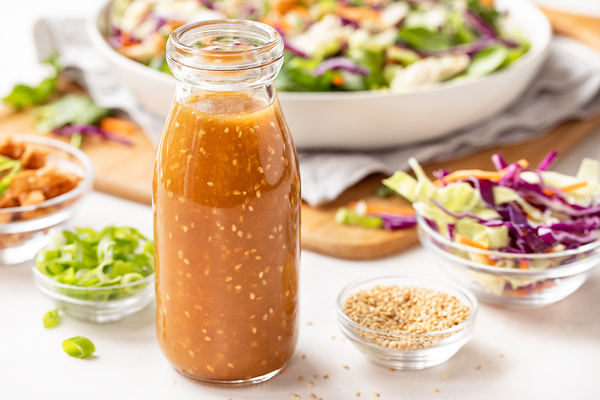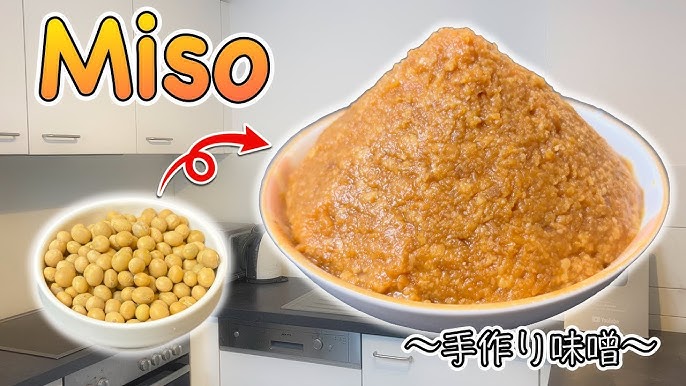
White miso paste is a traditional Japanese fermented seasoning made primarily from soybeans, rice koji (a fermentation starter), salt, and sometimes barley. It is known for its light color, mild sweetness, and delicate umami flavor compared to darker miso varieties. The fermentation process is shorter than red miso, which results in a smoother, less salty, and slightly sweet taste profile. This makes it especially popular in beginner-friendly recipes and lighter dishes where a subtle savory depth is desired rather than an overpowering fermented intensity. White miso is commonly referred to as “shiro miso” in Japanese cuisine and is widely used in everyday cooking in Japan.
Flavor Profile and Sensory Characteristics
White miso paste is characterized by a balanced and approachable flavor spectrum. It is less salty, slightly sweet, and rich in umami without being heavy or pungent. The texture is typically smooth and creamy, making it easy to dissolve in liquids and sauces. The aroma is mild compared to aged miso, with a subtle fermented scent that does not overwhelm dishes.
Key flavor notes include:
- Gentle sweetness from rice koji fermentation
- Soft umami depth
- Low salt intensity
- Creamy mouthfeel when dissolved
- Light fermented aroma
Because of this profile, white miso works well in recipes where you want enhancement rather than dominance of flavor.
How White Miso Is Made
The production of white miso follows a controlled fermentation process that determines its taste, color, and texture. The key stages include:
Soybean Preparation
Soybeans are soaked, steamed, or boiled until soft. This prepares them for fermentation by making their proteins more accessible.
Koji Cultivation
Rice is inoculated with Aspergillus oryzae mold, creating koji. This step is crucial because koji breaks down starches into sugars, contributing to white miso’s natural sweetness.
Mixing Process
The cooked soybeans, koji rice, and salt are mixed together in precise proportions. The ratio of rice koji is higher in white miso compared to darker varieties, which enhances sweetness and lightness.
Fermentation Period
White miso is fermented for a shorter duration, typically a few weeks to a few months. This short aging time prevents deep browning and preserves a lighter flavor profile.
Storage and Maturation
After fermentation, the paste is stored under controlled conditions to stabilize flavor before packaging.
Types of White Miso and Variations
Although white miso is often seen as a single category, it actually includes variations based on region, ingredient ratio, and fermentation style.
Kyoto-style Shiro Miso
Known for its higher rice content and sweeter taste, often used in delicate dishes.
Light White Miso
Extremely mild, almost dessert-like in sweetness, suitable for dressings and sauces.
Blended White Miso
Combines white miso with other miso types to create a balanced umami-sweet profile.
Organic or Artisanal Miso
Produced using traditional fermentation methods without additives, often richer in complexity.
Culinary Uses of White Miso Paste
White miso is one of the most versatile ingredients in Japanese and modern fusion cooking. It is used in both savory and semi-sweet applications.
Common uses include:
Soups
White miso is widely used in miso soup due to its gentle flavor that complements tofu, seaweed, and vegetables without overpowering them.
Salad Dressings
Mixed with vinegar, sesame oil, or citrus juice to create creamy umami-rich dressings.
Marinades
Used to tenderize and flavor fish, chicken, or tofu due to its enzymatic properties.
Glazes
Combined with honey or sugar to create caramelized coatings for roasted vegetables or meats.
Sauces
Added to pasta sauces, stir-fries, and dips for depth and complexity.
Nutritional Profile and Health Aspects
White miso paste is not only a flavor enhancer but also contains several nutritional benefits due to fermentation.
Key nutritional components:
- Protein from soybeans
- Probiotics from fermentation (depending on pasteurization)
- Essential minerals like zinc, manganese, and copper
- Small amounts of vitamins B2, B3, and K
Potential benefits include:
- Supports gut health when unpasteurized
- Enhances digestion due to enzymatic activity
- Provides plant-based protein source
- May contribute to immune system balance
However, it is also important to note that white miso contains sodium, so moderation is recommended for individuals monitoring salt intake.
White Miso vs Other Types of Miso
Understanding differences between miso types helps in selecting the right one for cooking.
White Miso vs Red Miso
White miso is sweeter, lighter, and less salty, while red miso is aged longer, resulting in a stronger, saltier, and more intense flavor.
White Miso vs Yellow Miso
Yellow miso sits between white and red in terms of fermentation time and flavor intensity, making it more balanced but less sweet than white miso.
White Miso vs Awase Miso
Awase miso is a blend of different miso types, often combining white and red miso to achieve a complex, layered taste.
Cooking Tips for Best Results
To maximize flavor and preserve nutritional quality, white miso should be used carefully in cooking.
Important tips include:
- Do not boil miso directly as high heat can destroy beneficial enzymes
- Dissolve miso in warm liquid before adding to dishes
- Add it at the final stage of cooking for best flavor retention
- Start with small amounts and adjust gradually due to salt content
- Pair with acidic ingredients like lemon or vinegar for balance
Storage Guidelines and Shelf Life
Proper storage ensures freshness and flavor longevity.
Storage recommendations:
- Keep refrigerated after opening
- Store in airtight containers to prevent oxidation
- Avoid moisture contamination by using clean utensils
- Some white miso varieties can last several months to a year when stored properly
Over time, color may darken slightly, but this is natural and does not necessarily indicate spoilage.
Common Mistakes When Using White Miso
Many beginners make mistakes that affect the final taste of dishes.
Frequent errors include:
- Adding miso during high-heat cooking
- Using too much paste in delicate recipes
- Not dissolving it properly before mixing
- Confusing white miso with salt replacements
- Overcooking sauces after adding miso
Avoiding these mistakes significantly improves culinary results.
White Miso in Modern Fusion Cuisine
Beyond traditional Japanese cooking, white miso has become a popular ingredient in global kitchens. Chefs use it to add umami depth to non-Japanese dishes such as pasta sauces, burgers, roasted vegetables, and even desserts like caramel or chocolate-based recipes. Its mild sweetness allows it to blend seamlessly into diverse culinary styles without overpowering other ingredients.