home environment singapore is not just about interior design or furniture arrangement. It is a complete ecosystem that includes physical space, emotional atmosphere, air quality, lighting, noise control, and lifestyle habits. In a country like Singapore where high-rise living in HDB flats and compact apartments is common, the home environment plays an even more important role in shaping daily comfort, mental wellbeing, and productivity. A well-designed home environment directly influences stress levels, family bonding, sleep quality, and even long-term health outcomes. Because living spaces are often limited, Singapore households need to be more intentional about how every square meter is used and optimized.
Physical Space Optimization in High-Density Living
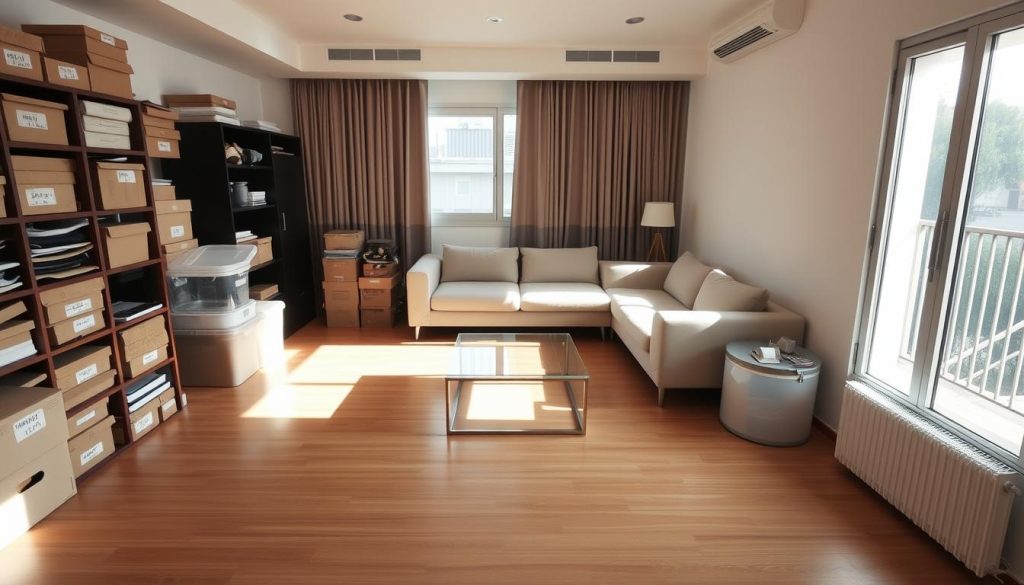
Space management is one of the biggest challenges in Singapore homes. With limited floor area, efficient use of space becomes essential. Multi-functional furniture such as sofa beds, foldable dining tables, and wall-mounted storage systems help maximize usable area without creating clutter. Vertical storage is especially important, as it utilizes wall height instead of floor space. Built-in cabinets and modular shelving systems are widely used in HDB flats to create a cleaner and more organized environment. Decluttering is another critical practice that helps maintain visual calmness. A clutter-free home reduces cognitive overload and creates a sense of openness even in small apartments.
Air Quality and Ventilation as a Health Foundation
Singapore’s tropical climate creates unique challenges for maintaining indoor air quality. High humidity levels can lead to mold growth, dust accumulation, and stale air if ventilation is not managed properly. Proper airflow is essential to maintain a healthy living space. Natural ventilation through windows and balcony doors helps circulate fresh air, while ceiling fans and air purifiers provide additional support. Indoor plants also contribute to improved air quality by absorbing carbon dioxide and releasing oxygen. Regular cleaning routines are necessary to prevent allergens and maintain a hygienic environment, especially in compact living spaces where air circulation may be limited.
Lighting Design and Its Impact on Daily Life
Lighting plays a crucial role in shaping mood, productivity, and comfort inside the home. In Singapore homes, where natural sunlight can be strong during the day, balancing natural and artificial lighting is important. Large windows help bring in daylight, which improves mood and reduces the need for artificial lighting during daytime hours. At night, warm lighting creates a relaxing environment suitable for rest. Task lighting in study areas or kitchens improves functionality and reduces eye strain. Layered lighting design, which combines ambient, task, and accent lighting, allows homeowners to adjust the atmosphere of different rooms based on activities and time of day.
Psychological Influence of Home Environment on Wellbeing
The home environment directly affects mental and emotional health. A well-organized and visually balanced space promotes calmness and reduces stress levels. Colors, textures, and spatial arrangement all contribute to emotional responses. Soft neutral tones often create a relaxing atmosphere, while brighter colors can energize specific areas like living rooms or study spaces. Personalization also plays a key role in emotional comfort. Family photos, personal artwork, and meaningful decor items help create emotional attachment to the space. In Singapore’s fast-paced urban lifestyle, having a peaceful home environment is essential for mental recovery after long work or school hours.
Noise Management in Urban Singapore Homes
Noise pollution is a common issue in densely populated housing areas. Sounds from traffic, construction, and neighboring units can affect sleep and concentration. Soundproofing solutions such as thick curtains, sealed windows, and carpets help reduce external noise. Soft furnishings like cushions and rugs also absorb sound and reduce echo inside rooms. White noise machines or background sound apps are sometimes used to mask disruptive sounds. Managing noise effectively improves sleep quality and supports better focus for work-from-home arrangements, which have become increasingly common in modern Singapore households.
Smart Home Integration for Modern Living Efficiency
Technology has become an essential part of improving home environments in Singapore. Smart home systems allow residents to control lighting, air conditioning, security, and appliances through mobile devices. Automation helps optimize energy usage by adjusting temperature and lighting based on occupancy. Smart air purifiers monitor indoor air quality and adjust settings automatically, ensuring healthier living conditions. These systems are especially useful in compact homes where efficiency and convenience are priorities. Integration of smart devices also enhances safety and reduces manual effort in daily household management.
Home Organization Systems for Long-Term Sustainability
Maintaining an organized home environment requires consistent systems rather than one-time cleaning efforts. Categorized storage, labeled containers, and designated zones for different activities help maintain order. For example, having separate spaces for work, relaxation, and dining reduces confusion and improves daily routine efficiency. Regular decluttering schedules, such as monthly or seasonal reviews, prevent accumulation of unnecessary items. Minimalist principles are increasingly adopted in Singapore homes to reduce clutter and improve spatial harmony. A well-organized home reduces stress and improves time management.
Impact of Home Environment on Productivity and Work-from-Home Culture
With the rise of remote work, the home environment has become a critical factor in productivity. A dedicated workspace with proper lighting, ergonomic seating, and minimal distractions significantly improves focus and efficiency. In Singapore, where many people live in compact apartments, creating a functional work corner is essential. Separation between work and relaxation zones helps maintain mental balance and prevents burnout. Noise control, internet connectivity, and comfort all contribute to a productive home office setup.
Cultural and Lifestyle Influences on Singapore Homes
Singapore’s multicultural society influences home design and lifestyle habits. Many households incorporate traditions, family values, and cultural elements into their living spaces. This creates a blend of modern functionality and cultural identity. Food preparation areas, communal dining spaces, and family gathering zones are often prioritized. The home is not just a private space but also a place for social interaction and cultural expression. This cultural dimension adds emotional depth to the home environment and strengthens family relationships.
Sustainable Living Practices in Home Environments
Sustainability is becoming an important aspect of home living in Singapore. Energy-efficient appliances, water-saving fixtures, and recycling systems contribute to environmentally responsible living. Many households are adopting eco-friendly habits such as reducing plastic usage, composting organic waste, and using LED lighting. Indoor greenery and small balcony gardens also support sustainability while improving aesthetics. Sustainable practices not only benefit the environment but also reduce long-term household costs.
Creating a Balanced Emotional Atmosphere at Home
A balanced home environment is not only about physical design but also emotional harmony. Communication between family members, shared routines, and respect for personal space all contribute to a positive atmosphere. In Singapore homes where space is limited, emotional balance becomes even more important. Small gestures like shared meals, organized family areas, and quiet personal corners help maintain harmony. Emotional wellbeing is deeply connected to how safe, comfortable, and supported individuals feel within their living environment.
Conclusion: Building an Ideal Home Environment in Singapore
Creating an ideal home environment in Singapore requires a combination of smart design, efficient space usage, emotional awareness, and modern technology. Every element, from air quality to lighting and from organization to emotional balance, contributes to the overall living experience. Because of space limitations and urban density, Singapore homes must be designed with intention and practicality. A well-structured home environment enhances mental wellbeing, improves productivity, and strengthens family relationships. Ultimately, the goal is to create a space that is not only functional but also emotionally fulfilling and adaptable to modern urban life.