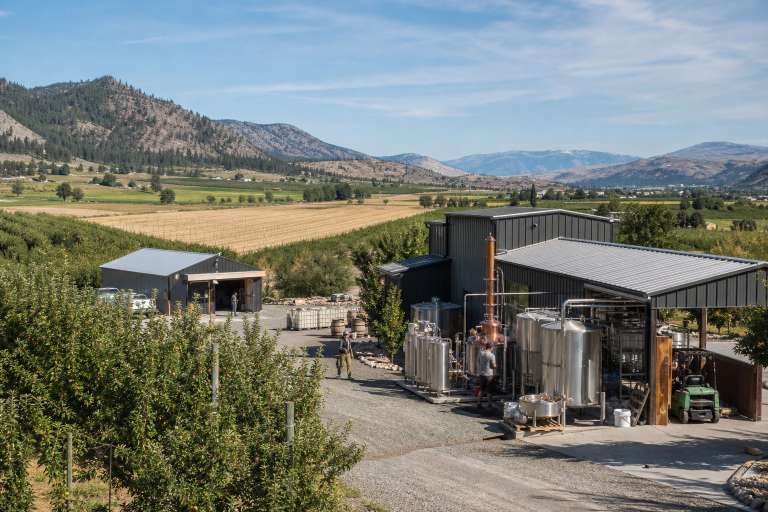
In Tonasket, Washington, a spirit can tell a story that begins well before fermentation, distillation, or barrel aging. It begins in orchards, grain fields, gardens, and along the high-desert edges of north-central Washington. A copper still distilled Tonasket WA spirit has the potential to connect a drinker with the ingredients, weather, and hands that shaped it.
That connection matters because Tonasket sits in Okanogan County, a region where agricultural land, forest country, and river corridors meet. Local ingredients do not guarantee a great bottle, but when growers and distillers work thoughtfully, they can create spirits with clearer character, stronger traceability, and a genuine relationship to place.
What Local Ingredients Really Mean
Terms such as “local,” “regional,” “farm-to-glass,” and “grain-to-glass” are useful starting points, not complete production records. A distillery may operate in Tonasket while purchasing neutral spirit, grain, fruit, or botanicals from elsewhere. Another producer may ferment locally grown grain on site, then bottle it nearby. Both may be local businesses, but they represent different levels of ingredient traceability.
For shoppers, the most useful questions are simple: What is the base ingredient? Where was it grown? Was the spirit fermented and distilled by the producer? Which parts of the process happened in Washington? Clear answers are more meaningful than broad language about heritage or craftsmanship.
How Regional Ingredients Shape Flavor
Ingredients provide the raw material for a spirit’s aroma, texture, and flavor. Rye can suggest spice and grainy depth. Apples and pears can bring lifted fruit character to brandy or liqueur. Honey may add floral notes, while fresh herbs can contribute green, resinous, or savory accents. The final result still depends on fermentation, cuts made during distillation, proofing, aging, and blending.
That is why “local” does not automatically mean “better”. A carefully made spirit using responsibly sourced ingredients from outside the area may be more balanced than a poorly made local release. The value of regional sourcing lies in its ability to provide a producer with distinctive materials and a more specific story to develop with care.
Why Seasonality Matters In Distilling
Seasonality is especially important for fruit, flowers, herbs, and other fresh botanicals. Ingredients gathered near peak ripeness can offer a fuller aroma than products held for long periods or heavily processed before use. In and around Tonasket, a distiller can think in seasonal terms: orchard fruit after harvest, warming spice profiles in colder months, and bright herbal or berry-driven releases when fresh ingredients are available.
Seasonal production also brings limits. Crop quality and quantity change with weather, harvest timing, and farm conditions. Small batches may therefore differ slightly from one year to the next. For drinkers, that variation can be part of the appeal, much like tasting an annual cider or a limited orchard release.
Grain, Fruit, Herbs, And Botanicals
Different spirit categories place different ingredients at the center of the glass:
- Whiskey often relies on grain for body, cereal character, and structure.
- Vodka can begin with grain, potatoes, or other fermentable crops, with the producer deciding how much base character remains.
- Brandy turns fermented fruit into a concentrated expression of orchard or vineyard material.
- Gin uses juniper as its defining botanical, then builds regional character with additional botanicals.
- Liqueurs can showcase fruit, herbs, honey, coffee, spices, or nuts through infusion and sweetening.
Questions To Ask During A Tasting
- What aromas appear first: fruit, grain, flowers, herbs, spice, or oak?
- Does the palate feel clean, creamy, dry, sweet, earthy, or warming?
- Which ingredient seems most identifiable without overwhelming the spirit?
- Does the finish encourage another sip, or does it feel unbalanced?
Water, Soil, Climate, And Aging
Water plays practical roles throughout production, including mashing, fermentation, dilution, and cleaning. Soil and climate matter earlier in the process because they influence how crops grow. In a wide and varied county such as Okanogan, growing conditions can differ substantially between river valleys, orchards, open agricultural ground, and higher-elevation areas.
The term terroir describes the environmental and human factors that shape an agricultural product, but it should be used with restraint when applied to spirits. A local crop may bring identifiable qualities, yet distillation can either emphasize or soften them. Barrel choice, storage conditions, and time also influence aged spirits, making place one part of a much larger production picture.
Local Sourcing And Farm Partnerships
Buying nearby ingredients may shorten transportation routes and keep more purchasing activity within the regional economy. Still, sustainability involves more than mileage. Farming practices, glass and packaging choices, energy use, water management, and treatment of distilling byproducts all matter. Spent grain can sometimes be directed to livestock feed or composting when handled appropriately, and surplus or cosmetically imperfect fruit may be suitable for fermentation.
Strong farmer-distiller relationships make planning easier. Growers can plant or reserve crops with a known buyer in mind, while distillers can schedule production around actual harvests instead of a generic flavor calendar. This kind of collaboration is evident beyond Washington as well, including a Maryland agricultural recognition for a distillery that works with local grain. The principle applies in Tonasket, too: honest partnerships create more resilient local supply chains than vague claims alone.
What Drinkers Should Look For On A Label
A label may not tell the entire story, but it can guide better questions. Look for the base ingredient, named farms or growing areas, the place of distillation, age statements when relevant, and whether the producer says “distilled by,” “produced by,” or “bottled by.” Those phrases can refer to different stages of production.
If the label is brief, check the producer’s tasting-room materials or website for sourcing details. The goal is not to demand perfection. It is to reward specificity and understand what is actually in the bottle.
How Local Spirits Work In Modern Cocktails
A simple cocktail often gives a local spirit more room to speak. Fruit-forward spirits work well with sparkling water, citrus, or fresh berries. Grain-based spirits can pair naturally with apple, ginger, tea, or baking spice. Herbal spirits benefit from cucumber, mint, tonic, or a restrained floral garnish. Richer aged spirits can stand beside coffee, chocolate, toasted nuts, or stone fruit.
For a Tonasket-focused serve, begin with one local-minded spirit, one seasonal ingredient, and one source of brightness or dilution. Keep the recipe short enough that the base spirit remains recognizable.
Common Questions About Local Craft Spirits
Are Local Spirits Always More Sustainable?
No. Local sourcing can be a positive factor, but packaging, farming, energy, waste, and shipping all affect the broader environmental picture.
Does Local Sourcing Change The Taste?
It can. Crop variety, freshness, growing conditions, and production choices may all influence a finished spirit’s character.
Why Are Seasonal Spirits Often Limited?
Fresh ingredients are harvested in finite quantities, and producers may choose small batches to preserve a particular flavor profile.
Why Field-To-Glass Spirits Matter In Tonasket
Field-to-glass thinking gives Tonasket drinkers a practical way to appreciate craft spirits. It connects agriculture, distilling skill, seasonal flavor, and community investment without pretending that geography alone creates quality. The best local spirits are transparent about their ingredients, deliberate in their production, and interesting enough to invite conversation. Taste slowly, ask where the ingredients began, and let the answer add depth to what is in the glass.