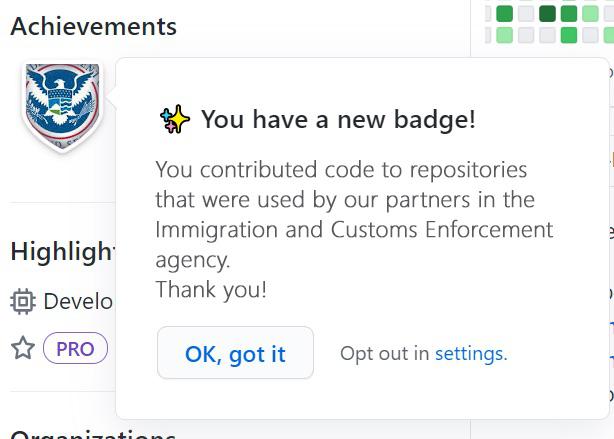
The phrase “help i accidentally” is not a normal informational query. It represents a unique type of internet behavior where users intentionally type incomplete sentences to trigger humorous or unexpected autocomplete suggestions. Instead of looking for factual answers, users are exploring randomness, curiosity, and digital humor. This makes the query part of a larger trend where search engines are treated as entertainment tools rather than strict information systems.
This behavior is closely linked with meme culture, where incomplete prompts are used to generate surprising endings. The phrase works because it feels like the beginning of a story, and the internet completes it in unpredictable ways.
How This Phrase Became a Meme Template
The transformation of “help i accidentally” into a meme did not happen through a single event. It evolved gradually through user experimentation with Google autocomplete. People began noticing that typing partial panic-style sentences produced strange and funny completions.
Over time, users started sharing screenshots of these results on social platforms. The humor came from the contrast between the serious tone of “help I accidentally” and the absurd completions suggested by search engines. This contrast created a repeatable joke structure that could be adapted endlessly.
The meme spread because it was easy to replicate, required no design skills, and produced different results for each user, making it feel personalized and fresh every time.
Why the Format Works So Well in Internet Humor
The structure of the phrase follows a powerful comedic formula:
Incomplete panic statement + unexpected completion = humor
The brain naturally expects a realistic or logical ending to a sentence. However, when the ending is absurd or exaggerated, it creates a surprise effect. This surprise is the foundation of internet humor.
Another reason it works is because it mimics real emotional language. The phrase “help I accidentally” sounds like someone in distress, which makes the absurd completions even funnier when they escalate into unrealistic situations.
The Role of Google Autocomplete in Shaping the Trend
Autocomplete systems are designed to predict what users might search next based on popular queries, location patterns, and past behavior trends. However, when users intentionally manipulate these predictions by starting unusual phrases, the system can produce humorous or unexpected outputs.
This interaction between human curiosity and algorithmic prediction is what fuels the meme. The system is not designed for humor, but the randomness of aggregated search behavior creates comedic outcomes.
The unpredictability is key. Two users typing the same phrase can sometimes see completely different suggestions, which increases engagement and encourages sharing.
Common Variations of the Meme Structure
The phrase “help i accidentally” has spawned multiple variations that follow the same logic. These variations include:
Help I accidentally summoned…
Help I accidentally built…
Help I accidentally destroyed…
Help I accidentally started…
Help I accidentally created…
Each variation follows a similar pattern where the action escalates into something exaggerated or unrealistic. The humor comes from the extreme consequences attached to a simple accidental action.
These variations allow users to participate creatively, turning the meme into an open-ended format rather than a fixed joke.
Psychological Reasons Behind Its Popularity
Several psychological factors contribute to the popularity of this meme structure.
First is the concept of unpredictability. Humans are naturally drawn to surprises, especially when they break logical expectations.
Second is relatability. The phrase begins with “help,” which mimics human emotional expression. Even though the endings are absurd, the beginning feels familiar.
Third is participatory humor. Users are not just consuming content; they are generating it. This creates a sense of involvement and ownership in the meme.
Finally, there is a safe-space effect. The scenarios are fictional and exaggerated, allowing people to explore chaos without real consequences.
Typical Structure Found in Search Results Content
When analyzing top-performing pages around this query, most content follows similar structural patterns:
Introduction explaining the meme
List of funny autocomplete examples
Screenshots of Google search suggestions
Short explanations of meme culture
User-generated variations or comments
This structure is effective for engagement but often lacks deeper explanation. Most content focuses on showing examples rather than analyzing why the meme exists or how it evolved.
Visual Style Dominance in This Topic
Visual elements play a major role in the popularity of this meme. The most common visuals include:
Fake or real Google search screenshots
Meme reaction images
Text overlays showing absurd completions
Reddit-style post screenshots
These visuals are easy to consume and highly shareable. They also reinforce the illusion that Google itself is generating the humor, even when many examples are manually created or exaggerated.
The simplicity of the visual format makes it accessible across all platforms, especially social media where fast consumption is key.
Content Gaps in Existing Online Coverage
Despite the popularity of this meme, most content fails to explore deeper insights. Major gaps include:
Lack of explanation of linguistic structure behind the phrase
No analysis of why “accidental action” humor works universally
Missing breakdown of autocomplete algorithm behavior
No historical timeline of meme evolution
Very limited psychological interpretation
Most pages stop at listing examples instead of explaining the system behind the humor.
Missed Opportunities for Deeper Content
There is significant opportunity to improve content quality around this topic by adding structured insights.
One major opportunity is explaining the linguistic pattern that makes the meme effective. The combination of panic language and unexpected escalation is a repeatable formula that could be analyzed in detail.
Another opportunity is exploring how AI and modern search engines influence meme creation. As predictive text systems become more advanced, similar humor patterns may evolve or become more complex.
There is also room for building a classification system for different types of “accidental” meme outcomes, such as:
Harmless accidents
Chaotic global events
Fantasy-based outcomes
Technological failures
Social misunderstandings
This kind of structure would transform the topic from simple entertainment into a cultural analysis framework.
How Future Content Can Stand Out
To outperform existing search results, new content must move beyond surface-level humor and provide deeper value.
The most effective approach would include:
A clear breakdown of the meme structure and formula
Explanation of psychological triggers behind humor
Analysis of search engine behavior and autocomplete systems
Examples grouped into meaningful categories rather than random lists
Discussion of how AI might change similar meme patterns in the future
Additionally, content should maintain a balance between entertainment and insight. Pure lists of funny results are no longer enough to stand out in competitive search environments.
Building a More Advanced Understanding of the Meme
The phrase “help i accidentally” is more than just a joke format. It represents a shift in how people interact with search engines and digital systems. Instead of treating search tools as purely functional, users have turned them into creative playgrounds.
This reflects a broader internet trend where randomness, automation, and user creativity intersect. The meme exists because it sits at the intersection of human curiosity and algorithmic unpredictability.
As digital systems continue to evolve, similar patterns will likely emerge in new forms, especially with the rise of AI-generated suggestions and conversational search interfaces.
Conclusion
The “help i accidentally” meme structure is a perfect example of modern internet culture where incomplete ideas, algorithmic prediction, and human creativity combine to produce viral humor. Its simplicity is its strength, allowing endless variations while maintaining a consistent comedic formula.
However, most existing content only scratches the surface by showing examples. The real value lies in understanding why the format works, how it evolved, and what it reveals about human behavior in digital environments. Future content that explores these deeper layers will stand out far more than traditional list-based meme pages.