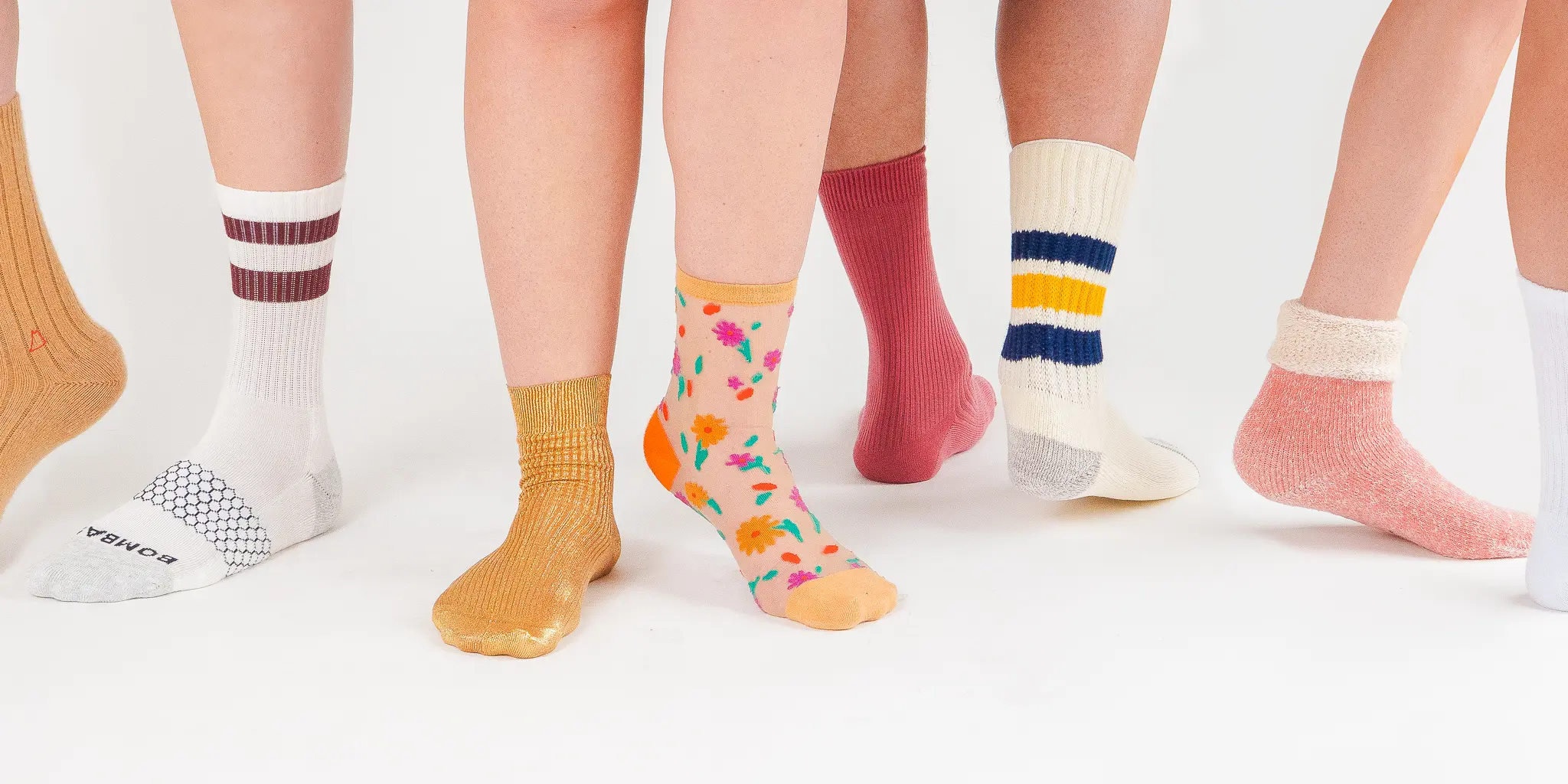
The idea of wearing socks with socks may sound unusual at first, but it actually covers multiple real-world uses in fashion, comfort, sports performance, and cold-weather protection. People search this term for different reasons, often trying to understand whether it means layering two socks together, wearing different types of socks at the same time, or combining socks for specific footwear needs. In reality, “socks with socks” can be broken into two major categories: functional layering and style-based combination. Functional layering focuses on protection, warmth, and comfort, while style-based combinations are more about visual appearance and fashion trends. Understanding both sides helps clarify why this keyword appears in search engines and why it is relevant in everyday life.
Why People Wear Two Layers of Socks
Wearing two socks together is not random; it is often a practical solution to specific problems. One of the most common reasons is cold weather protection. In winter or mountainous regions, a single sock may not provide enough insulation, so a second layer traps additional heat and reduces heat loss. Another reason is blister prevention. In activities like hiking or running, friction between the foot and shoe can cause painful blisters. A double-layer sock system reduces direct friction on the skin by allowing the inner sock to move slightly while the outer sock absorbs the rubbing force.
Athletes also use sock layering for moisture control. When feet sweat during physical activity, a single sock may become damp quickly, increasing discomfort and odor. A layered system helps distribute moisture and keeps feet drier for longer periods. In military and trekking environments, sock layering is often considered a standard practice due to long hours of movement and limited rest opportunities.
Functional Sock Layering System Explained
Sock layering is not just about wearing any two socks together; it follows a structured approach. The inner sock is usually thinner, softer, and moisture-wicking. Its job is to keep the skin dry and reduce friction. The outer sock is thicker, more durable, and provides cushioning and insulation.
A well-designed sock layering system includes three key elements:
First, material compatibility matters. The inner layer is often made of synthetic fibers or merino wool blends that pull moisture away from the skin. The outer layer is typically wool or padded cotton that retains warmth and provides cushioning.
Second, fit balance is important. If both socks are too tight, circulation can be restricted, leading to discomfort or numbness. If they are too loose, they can bunch up inside shoes and cause irritation.
Third, shoe compatibility plays a major role. Layered socks require slightly roomier footwear such as hiking boots or winter shoes. Tight sneakers may not be suitable for double layering because they compress the socks and reduce comfort.
Sock With Sock Styling in Fashion Culture
Beyond functionality, socks with socks has also entered fashion culture in subtle ways. Streetwear trends sometimes use visible layering where different sock lengths or colors are intentionally combined. For example, a shorter athletic sock may be worn underneath a longer crew sock that is slightly rolled down, creating a layered aesthetic.
Fashion influencers often use sock layering to create contrast in outfits. Bright inner socks paired with neutral outer socks can create a stylish visual effect when exposed above sneakers. This approach is especially popular in modern streetwear, where small details define the overall outfit identity.
Another fashion application is experimental styling, where people mix textures such as ribbed socks with smooth athletic socks. This creates a layered depth that is visually interesting in casual photography or social media content.
Types of Sock Combinations Used in Layering
Not all socks are suitable for pairing together. There are specific combinations that work better depending on the purpose.
Thin liner socks paired with wool socks are the most common functional combination. This pairing is ideal for hiking and winter wear.
Cotton socks paired with compression socks are often used for athletic recovery. The compression layer supports blood circulation while the cotton layer adds comfort.
Ankle socks paired with crew socks are used in fashion styling, especially in streetwear culture.
Thermal socks paired with insulated boots are used in extreme cold environments, where heat retention is a priority.
Each combination serves a different purpose, and choosing the right pairing depends on activity level, climate, and footwear type.
Benefits of Wearing Socks With Socks
There are several advantages to wearing socks in layers when done correctly. One major benefit is temperature regulation. Layering traps air between socks, which acts as insulation and keeps feet warm in cold conditions.
Another benefit is increased durability. The outer sock absorbs most of the friction and wear, which helps extend the life of the inner sock. This is particularly useful for expensive performance socks that are designed for moisture control.
Improved comfort is another advantage. When properly layered, socks reduce pressure points inside shoes, especially during long walking or hiking sessions.
In addition, layered socks can provide better shock absorption. This reduces impact stress on feet during running or jumping activities.
Potential Problems and Mistakes to Avoid
Although sock layering has benefits, it can also create problems if done incorrectly. One of the most common mistakes is wearing two thick socks together. This reduces blood circulation and can make feet feel tight or numb.
Another issue is overheating. In warm climates, layering socks can trap too much heat, leading to excessive sweating and discomfort.
Poor fit is also a major problem. If socks do not match in size or elasticity, they can bunch up inside shoes, causing friction instead of reducing it.
Wearing the wrong shoe size is another common mistake. Many people forget that layered socks take up more space, so shoes that normally fit may become too tight.
Sock Materials That Work Best in Layering
Material selection plays a critical role in sock performance. Merino wool is considered one of the best materials for layering because it regulates temperature, controls odor, and manages moisture effectively.
Synthetic fibers such as polyester blends are also widely used in inner socks due to their moisture-wicking properties.
Cotton, while comfortable, is not always ideal for high-performance layering because it absorbs moisture and dries slowly. However, it can still be useful in casual fashion layering.
Elastic blends are important in outer socks because they help maintain shape and prevent slipping during movement.
Practical Use Cases in Daily Life
Sock layering is not limited to outdoor sports. It can be applied in several everyday situations. In winter commuting, people often wear layered socks to keep feet warm during long travel hours.
In office environments with cold air conditioning, a light layering system can improve comfort without needing heavy footwear.
During travel, especially long flights, layered socks can reduce swelling and improve circulation.
Even in casual home use during winter, layered socks can provide extra warmth without requiring heating devices.
Future Trends in Sock Design and Layering
Modern sock design is evolving toward built-in layering systems. Some brands are now developing dual-layer socks where both layers are integrated into a single product. These socks are designed to replicate the benefits of wearing two socks without adding bulk.
Smart textiles are also entering the sock industry. Future socks may include temperature-regulating fibers that adjust automatically based on body heat.
Fashion trends are also pushing creative layering designs, where socks are intentionally designed to be seen in multiple layers as part of outfit styling.
Final Thoughts on Socks With Socks Concept
The concept of wearing socks with socks is more versatile than it appears. It is not just a fashion curiosity but a practical system used in sports, outdoor survival, winter comfort, and modern styling. When done correctly, sock layering can improve warmth, comfort, and performance. However, it requires attention to material choice, fit balance, and footwear compatibility. As fashion and textile technology continue to evolve, sock layering will likely become even more refined, blending functionality with style in new and innovative ways.