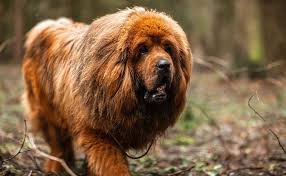
bear with dogs between bears and dogs is a fascinating subject because both animals belong to the Carnivora order but evolved in very different directions. Bears are part of the Ursidae family, while dogs belong to Canidae. This means they share a distant evolutionary ancestor, but their behavior, survival strategies, and instincts are significantly different. Bears are generally solitary, powerful omnivores, while dogs are social pack animals with strong communication skills. When these two species encounter each other in the wild, the outcome depends on multiple factors including size, environment, motivation, and prior exposure to humans or animals.
Evolutionary Differences That Shape Behavior
Bears evolved as large, highly adaptable mammals capable of surviving in forests, mountains, and arctic regions. Their intelligence is often underestimated, and they rely heavily on memory, food tracking, and risk assessment. Dogs, on the other hand, evolved alongside humans, which shaped them into highly social and responsive animals. Their behaviors are influenced by pack hierarchy, communication through barking and body language, and trained responses. Because of these differences, bears tend to act independently and cautiously, while dogs may act impulsively, especially when triggered by perceived threats.
How Bears Typically React to Dogs in the Wild
When a bear encounters a dog, the reaction is not fixed and depends heavily on context. In many cases, bears will avoid confrontation if the dog is barking from a distance or if the bear has an escape route. Bears generally prefer to avoid unnecessary energy expenditure unless they feel threatened or cornered. However, if a dog approaches too closely, especially off-leash, the bear may react defensively. This can include bluff charging, swatting, or in rare cases, direct attack. Bears with cubs or those protecting food sources are far more likely to display aggressive behavior.
Dog Behavior When Facing Bears
Dogs often react to bears based on instinct rather than understanding the danger level. Many dogs will bark aggressively and attempt to chase, especially hunting or guarding breeds. This behavior can sometimes deter a bear temporarily, but it can also escalate the situation. In some cases, dogs may unknowingly lead bears back toward humans, creating a dangerous scenario. Smaller dogs are usually at higher risk because they are perceived as less threatening but more irritating, which may trigger a defensive response from the bear.
Can Dogs Actually Deter Bears
There is a common belief that dogs can protect humans from bears, but this is only partially true. In some situations, loud barking and persistent chasing may discourage a bear from approaching campsites or human settlements. However, this is not reliable protection. Larger bears such as grizzlies or black bears with strong food motivation may ignore dogs entirely. The effectiveness of a dog as a deterrent depends on its size, confidence, training, and the bear’s current behavior state. Therefore, relying solely on a dog for protection is considered unsafe in wildlife management guidelines.
Environmental Factors That Influence Encounters
The outcome of bear and dog interactions is heavily influenced by environmental conditions. In dense forests or mountainous regions, visibility is limited, which increases surprise encounters. Near human campsites, bears may already be habituated to noise, including barking dogs, reducing their reaction intensity. Food availability is another critical factor. If food sources are present, bears are less likely to be scared off by dogs. Seasonal behavior also matters, especially during pre-hibernation periods when bears are highly food-driven and more aggressive.
Breed Differences in Dogs During Bear Encounters
Not all dogs behave the same when encountering a bear. Large working breeds such as livestock guardians may stand their ground and bark continuously, potentially deterring a bear from approaching livestock areas. Hunting dogs may chase aggressively, which increases risk. Companion breeds often react unpredictably due to fear or excitement. Training plays a major role, as dogs trained for wilderness environments are more likely to respond to handler commands rather than instinct alone.
Bear Species Differences in Aggression Levels
Different bear species behave differently in dog encounters. Black bears are generally more avoidant and may retreat if confronted by persistent barking. Brown bears, including grizzlies, are more territorial and unpredictable, especially near cubs or food. Polar bears, although less likely to encounter dogs in natural settings, are highly predatory and may not be deterred by barking at all. These species differences are crucial in understanding risk levels in various geographic regions.
Risk Scenarios in Bear and Dog Encounters
Several common scenarios highlight how unpredictable these interactions can be. In one scenario, a leashed dog and owner encounter a bear on a hiking trail, where the bear typically avoids confrontation and leaves. In another scenario, an off-leash dog chases a bear, causing the bear to feel threatened and potentially retaliate. In campsite scenarios, dogs barking at night may either scare off a curious bear or attract attention depending on food availability. Each situation is highly dynamic and cannot be generalized safely.
Safety Practices for Dog Owners in Bear Country
Proper safety practices significantly reduce the risk of dangerous encounters. Keeping dogs on a leash is one of the most important rules in bear habitats. This prevents dogs from chasing or surprising wildlife. Carrying bear deterrents such as noise devices or sprays is also recommended in high-risk regions. Avoiding known bear activity areas during peak feeding times further reduces risk. Additionally, securing food waste and keeping campsites clean prevents attracting bears in the first place.
Communication Between Dogs and Humans in Risk Situations
Dogs often serve as early warning systems in wilderness environments. They may detect a bear before humans do, using smell or sound. However, interpreting dog behavior correctly is important. Sudden alertness, deep barking, or refusal to move forward can indicate nearby wildlife presence. In such cases, human response should prioritize caution rather than allowing the dog to investigate further.
Why Bears Avoid Conflict When Possible
Despite their size and strength, bears generally prefer avoidance over confrontation. Fighting is energy-intensive and risky, even for a powerful animal. Bears rely on intimidation displays such as standing upright, growling, or bluff charging to scare away threats without physical contact. Dogs interrupt this balance because their barking and movement can confuse or challenge the bear’s threat assessment, sometimes leading to escalation.
Misconceptions About Bears and Dogs Interactions
A common misconception is that bears and dogs are natural enemies or that dogs can consistently control bear behavior. In reality, their interactions are situational and unpredictable. Another misconception is that barking alone is enough to scare away any bear. While it may work in some cases, it is not a guaranteed defense mechanism. Overconfidence in dog protection has led to dangerous situations in wilderness areas.
Behavioral Signals to Watch During Encounters
Understanding animal signals is critical. In bears, signs of stress or aggression include ground swatting, huffing, jaw popping, and direct eye contact. In dogs, warning signs include stiff posture, raised hackles, continuous barking, or refusal to retreat. Recognizing these signals early can help prevent escalation by allowing humans to create distance before direct confrontation occurs.
Long Term Human Impact on Bear and Dog Interactions
Human activity has increased the frequency of bear and dog encounters due to habitat overlap. Urban expansion, tourism, and outdoor recreation bring both pets and wildlife into closer contact. Bears that become habituated to human presence may react differently to dogs, often showing less fear. This adaptation changes traditional interaction patterns and requires updated safety awareness from outdoor enthusiasts.
Final Thoughts on Bear and Dog Encounters
The interaction between bears and dogs is complex and influenced by biology, environment, and behavior. While dogs may sometimes deter bears, they can also unintentionally increase risk depending on the situation. Understanding species differences, environmental triggers, and behavioral signals is essential for safety. Responsible dog management in bear territories is the most effective way to prevent conflict. Ultimately, respect for wildlife and cautious behavior remain the strongest tools for avoiding dangerous encounters.