Key Takeaways
- Shock-absorbing casters are designed to reduce vibration and impact, protecting both equipment and transported goods during movement.
- They improve workplace safety by reducing physical strain, lowering injury risks, and enhancing maneuverability in demanding environments.
- These casters extend equipment lifespan by minimizing wear from constant shocks, reducing maintenance costs, and downtime.
- They boost operational efficiency by enabling smoother, faster, and quieter material transport.
- Commonly used in manufacturing, healthcare, logistics, and other industries where equipment protection and safe handling are essential.
- While they may have higher upfront costs, they deliver long-term value through improved safety, durability, and productivity.
What Are Shock Absorbing Casters?
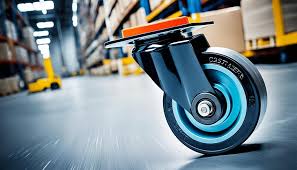
Shock-absorbing casters are engineered wheels equipped with features that significantly reduce the amount of shock and vibration transferred to cargo and equipment during movement. Using technologies like spring-loaded suspensions or durable elastomeric compounds, shock absorbing casters are purpose-built to deliver a smoother transit across rough or uneven terrain. This makes them especially advantageous in demanding work environments where consistent equipment protection is essential.
The main goal of these casters is to absorb and distribute energy from impacts, helping minimize jolts for both equipment and operators. By integrating shock-absorbing mechanisms into the caster design, organizations can better protect sensitive materials, maintain stability during transport, and allow workers to maneuver heavy loads with far less physical strain. Their adoption leads to a consistently safer and more productive workplace.
How Do Shock Absorbing Casters Improve Workplace Safety?
A major benefit of shock-absorbing casters is their positive impact on workplace safety. By reducing vibration and shock during material transport, they significantly decrease the risk of musculoskeletal disorders among employees. Providing a stable and comfortable transportation experience can reduce repetitive strain injuries, which are common in environments with constant manual handling. Additionally, these casters enhance maneuverability, especially in confined or cluttered spaces, helping avoid unintentional collisions, falls, or dropped loads.
By lessening the force required to push or pull heavy carts, employees are less likely to experience fatigue or overexertion, leading to fewer injury reports and improved morale.
What Impact Do Shock Absorbing Casters Have on Equipment Longevity?
The shock-absorbing casters’ protective design plays a key role in prolonging the life of valuable equipment. When machinery and supplies are subjected to constant jarring or shaking, internal parts and exterior components can wear out prematurely, leading to increased repairs and costly replacements. Casters that cushion the load can defend against these damaging forces, keeping items in better condition over time.
In settings where equipment costs are high, such as laboratories, factories, or tech industries, this added protection results in less downtime, lower maintenance costs, and fewer workflow disruptions. Ensuring equipment stays in optimal shape not only preserves business investments but also supports operational continuity.
How Do Shock Absorbing Casters Enhance Operational Efficiency?
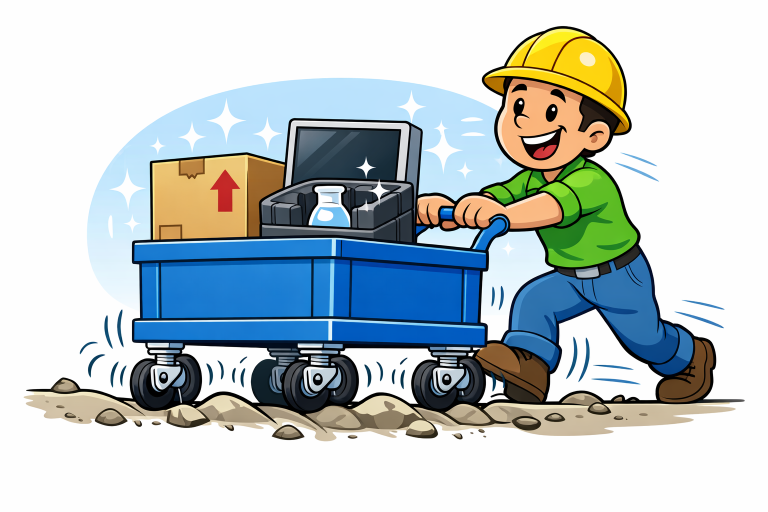
Efficiency improvements are another notable advantage of using shock-absorbing casters. Thanks to their ability to roll smoothly and quietly across uneven or rough surfaces, staff can move materials faster and with less physical effort. This speed, coupled with reduced worker fatigue, directly translates into greater productivity.
Quieter transport also creates a more pleasant working environment, especially in industries such as healthcare and hospitality, where excessive noise can disrupt operations or distress patients and guests. The reduction in required manpower for moving heavy loads allows teams to be allocated more flexibly to critical tasks, further increasing efficiency throughout the facility.
What Industries Benefit Most from Shock Absorbing Casters?
Various sectors benefit significantly from implementing shock-absorbing casters. In manufacturing, these casters protect fragile components and precision instruments from the damaging effects of vibration and impact during movement. Healthcare facilities value them for the safe, smooth transportation of sensitive medical devices and critical supplies, thereby ensuring patient care standards are upheld.
The logistics and warehousing industries gain efficiency and lower product damage rates when handling goods across busy, uneven, or unpredictable surfaces. Other applications include retail, hospitality, and entertainment, where equipment and supplies must be relocated frequently and often in challenging settings.
How to Select the Right Shock Absorbing Casters for Your Needs?
Selecting the proper shock-absorbing caster starts with evaluating your specific application. Consider the weight of your intended load, the type of flooring, frequency of use, and any environmental challenges such as exposure to chemicals or temperature extremes. Wheel diameter, bearing type, and the caster’s material composition (such as rubber, polyurethane, or steel) are all important factors. Matching these attributes to your operational needs helps maximize the safety, longevity, and efficiency benefits.
Consulting with manufacturers or industry experts can help you pinpoint the right solution, as some casters offer adjustable suspension or heavy-duty performance for unique environments.
What Are the Cost Implications of Implementing Shock Absorbing Casters?
While the initial cost of shock-absorbing casters often exceeds that of their standard counterparts, the long-term savings are significant. Fewer equipment repairs and replacements, reduced injury costs, and consistently higher productivity combine to make shock-absorbing casters a cost-effective investment for many organizations.
When evaluating cost, it is important to factor in not only the purchase price but also the downstream effects on worker safety and asset preservation.
Frequently Asked Questions
- Do shock-absorbing casters require special maintenance?
- Regular maintenance, as you would perform for standard casters, is sufficient. This involves routine inspections and lubrication to ensure continued performance.
- Can these casters be retrofitted to existing equipment?
- Yes, many shock-absorbing casters can be installed on a wide range of existing equipment. Always check compatibility with your equipment’s specifications before installation.
- Are there different types of shock-absorbing casters?
- Yes, the market offers a variety of designs, including spring-loaded and elastomeric variations. These are tailored for different weight capacities and surface requirements.
Integrating shock-absorbing casters into your equipment and workflows provides significant gains in safety, efficiency, and asset protection. By choosing the right casters for your needs, your workplace can benefit from a smoother, safer, and more efficient operation.
Conclusion
In conclusion, shock-absorbing casters offer a practical, high-impact solution for improving material handling across a wide range of industries. By minimizing vibration and impact during transport, they protect both workers and equipment while reducing fatigue, injuries, and long-term operational costs. Their ability to extend equipment lifespan and maintain smooth workflow efficiency makes them especially valuable in demanding environments such as manufacturing, healthcare, and logistics. Although they require a higher initial investment, their long-term benefits in safety, productivity, and cost savings make them a strategic choice for organizations focused on operational reliability and performance.