cleaning tools singapore home unique cleaning challenges due to high humidity, frequent rain, compact living spaces, and urban dust accumulation. These environmental conditions make regular cleaning not just a preference but a necessity for maintaining hygiene and comfort. Unlike larger homes in colder climates, apartments and HDB flats in Singapore require efficient cleaning tools that save time, reduce physical effort, and deliver high performance in small spaces. The goal is not just to clean visibly but to control allergens, moisture-related mold, and fine dust particles that settle quickly on surfaces.
Essential Cleaning System Instead of Random Tools
Most households make the mistake of collecting random cleaning tools without a system. A more effective approach is to build a structured cleaning system where every tool has a specific role. This system should be divided into floor care, surface care, kitchen hygiene, bathroom sanitation, and air quality control. When tools are selected with purpose rather than impulse, cleaning becomes faster, more organized, and more consistent. A complete system also reduces clutter in storage spaces, which is important for compact Singapore homes.
Floor Cleaning Foundation Setup
Floor cleaning forms the base of any home hygiene routine because floors collect dust, hair, allergens, and outdoor particles. A strong foundation setup includes a microfiber mop, a high-efficiency vacuum cleaner, and a compact broom-dustpan combination. Microfiber mops are preferred because they trap fine particles instead of pushing them around. Vacuum cleaners with HEPA filtration are especially useful in Singapore conditions as they capture microscopic dust and prevent it from recirculating in the air. For smaller daily touch-ups, a lightweight broom and dustpan remain essential for quick spot cleaning in tight corners and entryways.
Advanced Floor Cleaning Considerations
Beyond basic tools, households can improve efficiency with spin mops or spray mops that reduce water usage and drying time. Homes with pets benefit from rubber bristle tools that collect hair more effectively than traditional brooms. For tiled floors common in HDB units, scrubbing attachments or electric spin scrubbers help remove stubborn grime in grout lines. Selecting floor tools based on flooring type significantly improves cleaning performance and reduces long-term surface damage.
Kitchen Cleaning Tools for Hygiene Control
The kitchen is one of the highest-risk hygiene areas in any home due to grease, food residue, and bacteria buildup. Essential tools for kitchen cleaning include microfiber cloths, degreasing sponges, scrub brushes, and a durable dishwashing system. Microfiber cloths are highly effective for wiping counters because they remove oil without leaving streaks. Scrub brushes with firm bristles help clean stovetops, sinks, and tiles where grease accumulates.
Grease and Stain Management Tools
Singapore cooking styles often involve frying and high-oil dishes, making degreasing tools essential. A good kitchen setup includes a spray bottle for cleaning solutions, non-scratch scrubbing pads, and a long-handled brush for deep sink cleaning. Silicone scrubbers are also becoming popular because they dry quickly and resist bacterial growth. Proper kitchen cleaning tools reduce odor buildup and prevent long-term grease layering, which is harder to remove over time.
Bathroom Cleaning Efficiency Tools
Bathrooms in Singapore homes are exposed to constant moisture, making them prone to mold, soap scum, and water stains. A proper bathroom cleaning kit includes a squeegee, toilet brush, grout scrubber, and anti-mold sponge. The squeegee is particularly important for glass panels and mirrors, as it prevents water spots and reduces cleaning time.
Moisture Control Cleaning Strategy
Effective bathroom cleaning is not only about scrubbing but also controlling moisture. Microfiber towels with high absorption capacity help keep surfaces dry after use. Ventilation-friendly cleaning tools also play a role in preventing mold buildup. Regular use of grout-specific brushes ensures tiles remain clean and do not develop permanent discoloration. In compact bathrooms, wall-mounted storage for cleaning tools helps maintain hygiene and reduces clutter.
Dust and Surface Maintenance Tools
Dust accumulation is a continuous issue in urban environments. Surface maintenance tools include feather dusters, electrostatic cloths, and extendable dusting rods. Electrostatic cloths are especially useful because they attract dust instead of dispersing it into the air. Extendable rods help reach ceiling corners, fan blades, and high shelves commonly found in small apartments.
Allergy-Sensitive Cleaning Approach
For households with allergy concerns, HEPA-filtered vacuum cleaners combined with anti-dust cloths significantly improve air quality. Regular dust removal from soft surfaces like curtains, sofas, and mattresses reduces allergens. Specialized upholstery brushes help remove embedded dust from fabric furniture, which is common in modern Singapore interiors.
Smart Cleaning Technology Integration
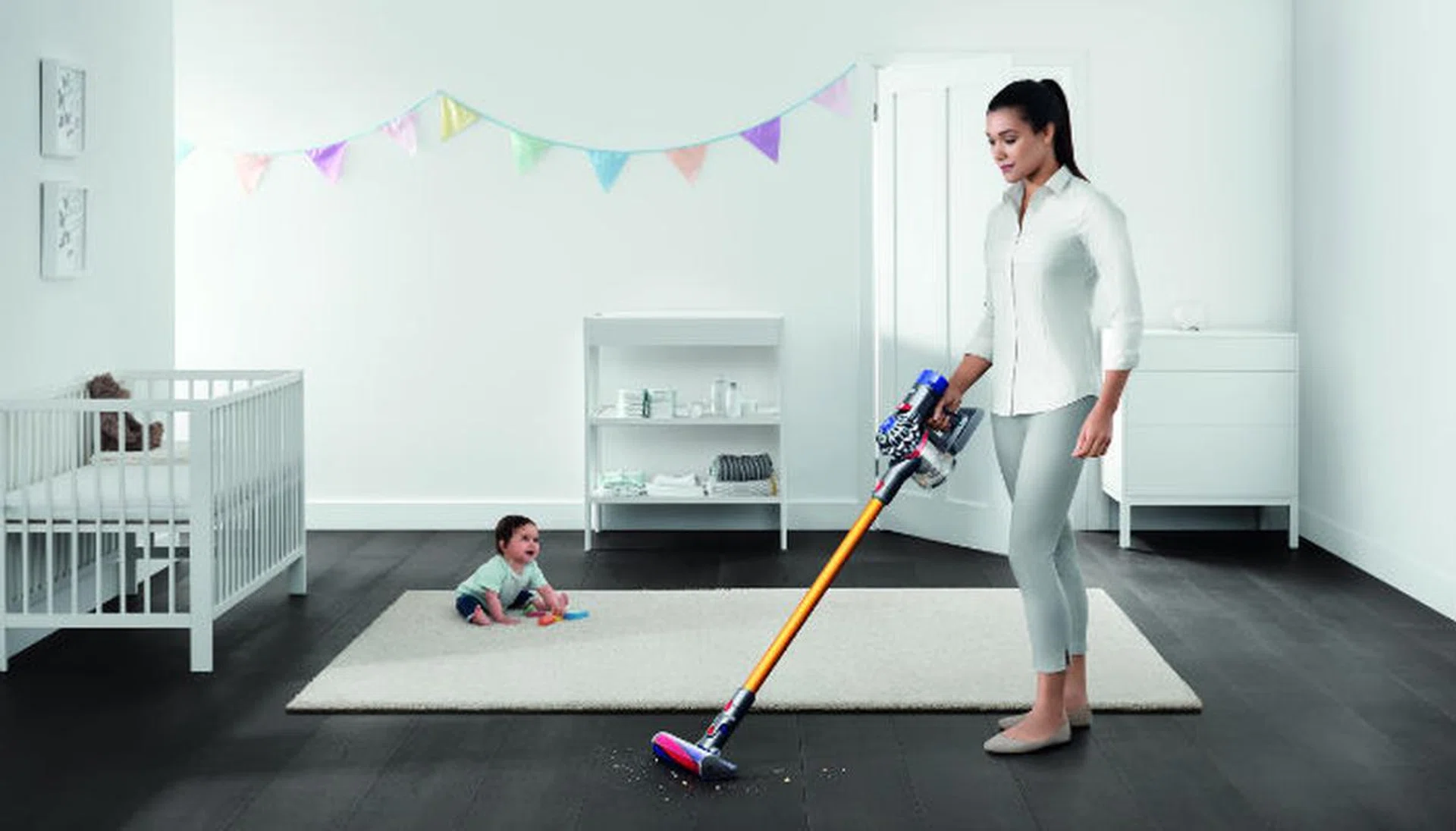
Modern homes are increasingly adopting smart cleaning tools that reduce manual effort. Robot vacuum cleaners with mapping technology can clean floors automatically and adapt to room layouts. These devices are especially useful for busy professionals who have limited cleaning time. Electric spin scrubbers and cordless handheld vacuums also contribute to faster cleaning cycles.
Automation and Efficiency Benefits
Smart tools not only save time but also improve consistency. Unlike manual cleaning, automated devices follow programmed routes and maintain regular cleaning schedules. This reduces dust buildup and ensures a baseline level of cleanliness is maintained daily. Over time, this reduces the need for deep cleaning sessions.
Storage and Organization of Cleaning Tools
Proper storage is often overlooked but plays a major role in maintaining hygiene. Cleaning tools should be stored in dry, ventilated areas to prevent bacterial growth and odor formation. Wall-mounted racks, compact tool organizers, and labeled storage bins help maintain order. Separating wet and dry tools is essential to prevent cross-contamination.
Space Optimization in Small Homes
Since many Singapore homes have limited storage space, multi-purpose tools are highly recommended. For example, mop systems with detachable heads reduce the need for multiple tools. Foldable buckets and collapsible storage containers also help save space while maintaining functionality.
Budget-Based Cleaning Tool Selection
Not all households require high-end tools. Cleaning systems can be built in tiers based on budget and lifestyle needs. A basic setup includes broom, mop, and microfiber cloths for essential cleaning. A mid-range setup adds vacuum cleaners and specialized brushes for deeper cleaning. A premium setup includes robot vacuums, electric scrubbers, and advanced filtration systems.
Cost Efficiency Strategy
Choosing durable tools instead of frequently replacing cheap alternatives reduces long-term expenses. Investing in a quality vacuum or mop system often results in better performance and longer lifespan. This approach ensures value while maintaining high hygiene standards.
Room-by-Room Cleaning Optimization
Different rooms require different tool combinations for maximum efficiency. Living rooms benefit from vacuum cleaners and dusting tools due to fabric furniture and electronics. Bedrooms require soft dusting tools and mattress cleaning attachments. Kitchens need grease-focused scrubbers, while bathrooms require moisture control tools.
Targeted Cleaning Workflow
A structured workflow reduces cleaning time significantly. Starting from dry dusting, followed by vacuuming, and ending with wet mopping ensures efficient dirt removal. This sequence prevents re-contamination of already cleaned areas and improves overall effectiveness.
Common Mistakes in Tool Selection
Many households choose tools based on appearance or marketing rather than functionality. Another common mistake is using a single tool for all surfaces, which reduces cleaning efficiency and can damage materials. Ignoring maintenance of cleaning tools also leads to bacterial buildup, reducing hygiene levels.
Best Practice Approach
Tools should always be selected based on surface type, cleaning frequency, and household size. Regular washing and replacement of cleaning materials like cloths and mop heads ensure consistent performance. Proper usage instructions should be followed to maximize tool lifespan.
Future of Home Cleaning Systems in Singapore
The future of home cleaning is moving toward automation, sustainability, and smart integration. Eco-friendly cleaning materials are gaining popularity as households become more environmentally conscious. Water-efficient mops, reusable cloth systems, and low-energy cleaning devices are expected to dominate future cleaning setups.
Final Insight
A well-designed cleaning system is more effective than a large collection of unrelated tools. By focusing on structured cleaning strategies, Singapore households can achieve higher hygiene standards, save time, and maintain long-term cleanliness with minimal effort.