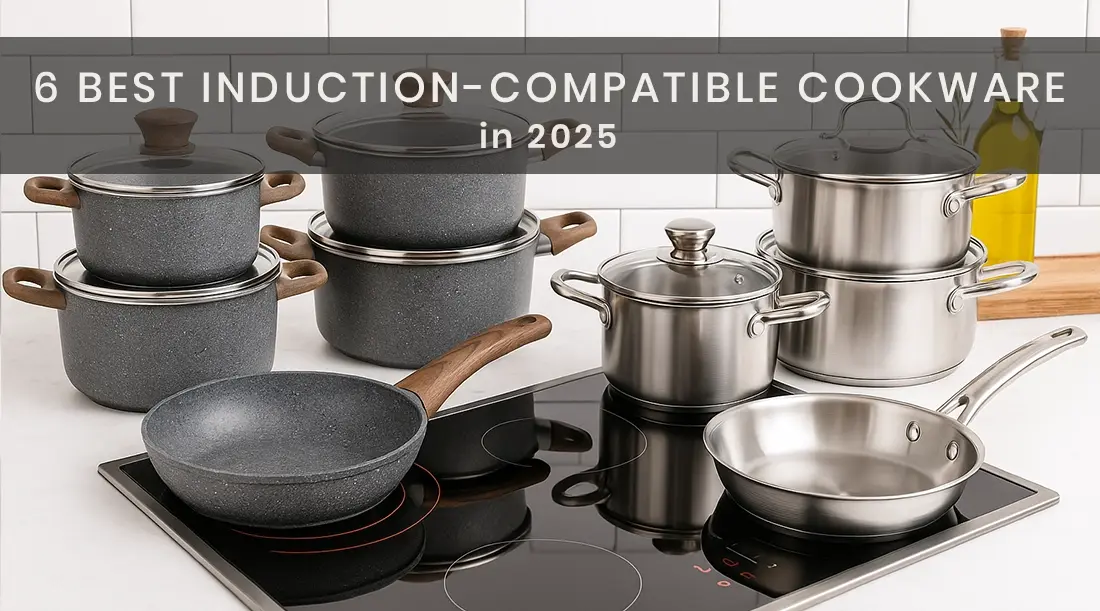
induction compatible cookware is a modern heating method that uses electromagnetic energy instead of traditional flame or electric coil heating. In this system, heat is generated directly inside the cookware rather than on the cooktop surface. This makes cooking faster, more energy-efficient, and safer. However, the key requirement is that the cookware must be compatible with magnetic induction fields. If the base of the pot or pan does not respond to magnetism, it will not heat properly on an induction stove. This is why choosing the right cookware is essential before switching to induction cooking.
How Induction Compatible Cookware Works
Induction compatible cookware is designed with a magnetic base layer that reacts to the electromagnetic field created by the cooktop. When electricity passes through the induction coil, it generates a magnetic field. This field induces electrical currents in the cookware base, producing heat instantly. Only ferromagnetic materials can respond to this process, which is why material selection plays a critical role. Cookware without magnetic properties simply remains cold even if placed on the cooktop.
Core Materials Used in Induction Cookware
Cast Iron Cookware
Cast iron is one of the most reliable materials for induction cooking. It is naturally magnetic and provides excellent heat retention. Once heated, it maintains temperature for a long time, making it ideal for slow cooking, frying, and searing. However, it is heavy and requires proper maintenance to prevent rusting.
Stainless Steel Cookware
Stainless steel is widely used but not all stainless steel cookware works on induction. Only stainless steel that includes a magnetic layer or base works effectively. Many modern cookware sets use a layered construction with aluminum or copper inside and a magnetic stainless steel base. It offers durability, resistance to corrosion, and a polished cooking experience.
Carbon Steel Cookware
Carbon steel is another excellent option for induction cooking. It is lighter than cast iron but still highly responsive to magnetic fields. It heats quickly and evenly, making it popular in professional kitchens. It does require seasoning to maintain a non-stick surface.
Aluminum Cookware with Magnetic Base
Pure aluminum does not work on induction cooktops because it is not magnetic. However, many manufacturers add a stainless steel induction plate at the bottom. This allows aluminum cookware to become compatible while still benefiting from lightweight construction and fast heat distribution.
How to Check If Cookware is Induction Compatible
Magnet Test Method
One of the simplest ways to check compatibility is by using a magnet. If a magnet sticks firmly to the base of the cookware, it is induction compatible. If it does not stick or only weakly attaches, the cookware will not perform efficiently.
Induction Symbol Check
Most modern cookware includes an induction symbol on the packaging or bottom of the pan. This symbol usually looks like a coil or zig-zag line. It is a quick visual indicator provided by manufacturers.
Base Flatness Evaluation
Induction cooktops require full contact between cookware and surface. A completely flat base ensures proper energy transfer. Warped or uneven bases can reduce heating efficiency or cause noise during cooking.
Key Features of High Quality Induction Cookware
Strong Magnetic Base
A high-quality induction pan always has a strong magnetic stainless steel layer at the bottom. This ensures stable and efficient heating without energy loss.
Even Heat Distribution
Good cookware spreads heat uniformly across the surface. Multi-layer construction with aluminum cores helps prevent hot spots and ensures consistent cooking results.
Durability and Build Strength
Induction cookware is exposed to rapid heating cycles. Strong construction prevents warping and maintains shape over time. Thicker bases are usually more durable and stable.
Energy Efficiency
One of the biggest advantages of induction cookware is energy efficiency. Since heat is directly generated in the pan, there is minimal heat loss, reducing cooking time and electricity usage.
Common Mistakes When Choosing Induction Cookware
Ignoring Material Composition
Many buyers assume all stainless steel works on induction, which is incorrect. Only magnetic-grade stainless steel is compatible.
Choosing Thin Base Cookware
Thin cookware heats unevenly and can warp over time. It also reduces cooking performance and durability.
Overlooking Pan Size Compatibility
Induction cooktops require cookware that matches the heating zone size. Using very small or very large pans can reduce efficiency.
Not Checking Manufacturer Specifications
Skipping product details often leads to buying incompatible cookware. Always check induction compatibility labels before purchase.
Advantages of Using Induction Compatible Cookware
Faster Cooking Time
Induction cookware heats almost instantly compared to gas or electric stoves. This reduces cooking time significantly.
Better Temperature Control
Heat adjustments respond immediately, allowing precise control for delicate cooking tasks such as sauces or melting chocolate.
Enhanced Safety
Since only the cookware heats up and not the surface, the risk of burns is reduced. The cooktop also cools quickly after removal of the pan.
Easy Cleaning Process
Most induction cooktops have flat glass surfaces, making them easy to clean. Spillovers do not burn onto the surface.
Limitations of Induction Cookware Systems
Requires Compatible Cookware Only
Traditional aluminum or glass cookware cannot be used unless specially designed with magnetic bases.
Initial Investment Cost
Induction-compatible cookware sets may cost more due to advanced material construction and layered technology.
Possible Noise During Cooking
Some cookware may produce a slight buzzing sound due to vibration between the cooktop and pan base.
Maintenance Tips for Long Lasting Performance
Regular Cleaning Routine
Clean cookware after every use to prevent food buildup and maintain surface quality. Avoid harsh scrubbing tools on non-stick surfaces.
Avoid Overheating Empty Pans
Heating empty cookware can damage the base and reduce lifespan. Always add ingredients or oil before heating.
Proper Storage Practices
Store cookware in a dry place to avoid moisture damage. For cast iron, ensure proper seasoning and oil coating.
Use Appropriate Utensils
Avoid metal utensils on non-stick surfaces. Use silicone or wooden tools to prevent scratches.
Induction Cookware Buying Guide Checklist
Before purchasing cookware, consider the following points:
- Magnetic base compatibility confirmed
- Flat and stable bottom surface
- Multi-layer construction for better heat distribution
- Comfortable and heat-resistant handles
- Dishwasher-safe option if required
- Trusted brand reputation
- Warranty and durability assurance
Best Use Cases for Induction Cookware
Everyday Home Cooking
Ideal for boiling, frying, sautéing, and reheating due to fast response time.
Professional Kitchens
High heat efficiency and precise control make it suitable for chefs and restaurants.
Health-Conscious Cooking
Since induction cooking requires less oil and retains nutrients better, it supports healthier meal preparation.
Troubleshooting Common Issues
Cookware Not Heating Properly
This usually means the base is not magnetic or is too thin. Try the magnet test or replace cookware.
Uneven Cooking Results
Check if the pan base is warped or smaller than the induction zone.
Cooktop Not Detecting Pan
Ensure cookware is centered and compatible with induction technology.
Future of Induction Cookware Technology
Cookware technology is evolving rapidly with innovations like multi-layer thermal cores, scratch-resistant coatings, and smart temperature sensors. Future designs aim to improve energy efficiency further while enhancing durability and cooking precision. More hybrid materials are also being developed to make cookware lighter yet more responsive to induction fields.
Final Thoughts on Induction Compatible Cookware Selection
Choosing the right induction compatible cookware is essential for maximizing the benefits of modern cooking technology. Understanding material types, compatibility checks, and performance features helps avoid costly mistakes. Whether you are a beginner or an experienced cook, investing in high-quality cookware ensures better efficiency, safety, and long-term value in your kitchen.