home habits singapore in Singapore is shaped by a unique combination of urban density, tropical climate, and fast-paced professional culture. Most residents live in compact apartments or HDB flats where space optimization, cleanliness, and efficiency are not optional preferences but daily necessities. Because of humidity, frequent rain, and limited indoor space, home habits are designed around maintenance, prevention, and speed rather than occasional deep effort. This creates a lifestyle where small consistent routines matter more than occasional large cleaning sessions.
The concept of home habits in this environment is not just about cleaning or organizing. It extends into how people manage time, reduce clutter, prevent moisture-related problems, and maintain mental comfort in small living spaces. These habits collectively form a structured way of living that supports both physical comfort and psychological ease in dense urban conditions.
Daily Reset Habit System for Clean Living Spaces
One of the strongest patterns in Singapore homes is the daily reset approach. Instead of waiting for mess to accumulate, residents typically perform short cycles of organization every day. This prevents small clutter from turning into overwhelming disorder.
A daily reset usually includes clearing visible surfaces, returning items to their designated places, and ensuring that kitchen and living areas remain visually clean. Shoes are often arranged at entry points, laundry is managed frequently due to humidity, and kitchen sinks are kept dry to avoid pests or odor formation.
This habit works because it reduces cognitive load. A clean environment minimizes stress and allows residents to focus on work and family life without distraction. In compact homes, visual clutter directly impacts mental clarity, making this habit essential rather than optional.
Space Optimization Practices in Compact Homes
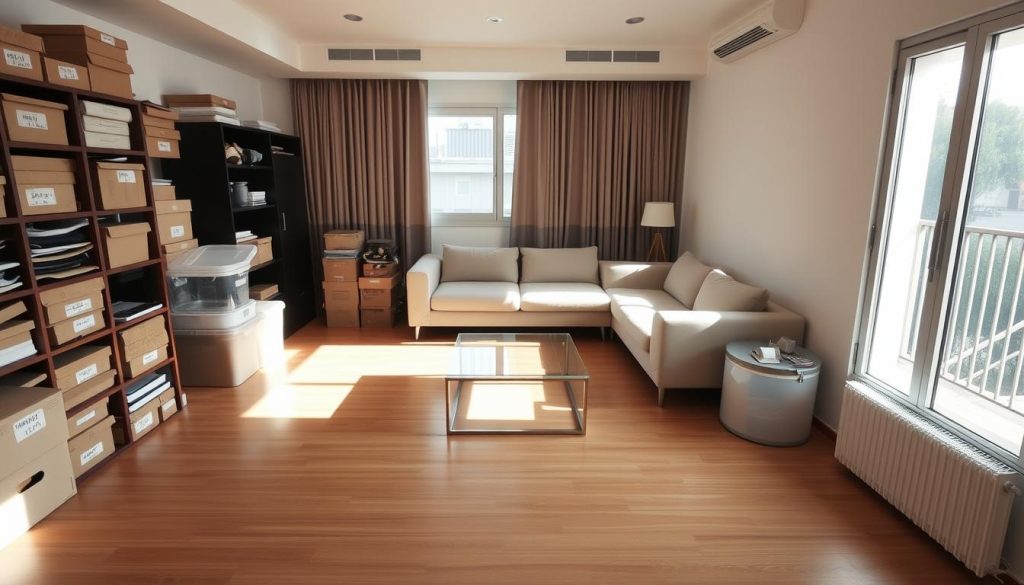
Limited space drives one of the most important home behavior systems in Singapore: efficient storage management. Every object in the home is expected to have a purpose and a fixed location. Multi-functional furniture is widely used, including foldable tables, storage beds, and wall-mounted shelves.
Vertical space usage is another key habit. Instead of expanding outward, storage moves upward. This includes stacking systems in kitchens, hanging organizers in bathrooms, and modular shelving in living areas. The goal is to reduce floor congestion and maintain walkable open space.
Another common behavior is periodic decluttering. Items that are unused for months are either donated, recycled, or discarded. This prevents accumulation, which is particularly important in smaller apartments where even minor clutter can significantly reduce usable space.
Humidity Control and Climate-Driven Habits
Singapore’s tropical climate plays a major role in shaping home maintenance routines. High humidity levels encourage mold growth, dust accumulation, and damp environments if not managed properly.
Residents often adopt ventilation habits such as opening windows during specific times of the day when airflow is optimal. Air-conditioning is used strategically, not continuously, to balance comfort with moisture control. Dehumidifiers are also common in enclosed rooms like wardrobes and storage areas.
Clothing management is another climate-influenced habit. Laundry is typically done more frequently in smaller loads to prevent odor buildup. Drying racks are positioned near windows or in ventilated spaces to speed up drying time and reduce moisture retention indoors.
These habits collectively prevent long-term structural and hygiene issues in homes, making them a critical part of daily living routines.
Kitchen Discipline and Food Management Systems
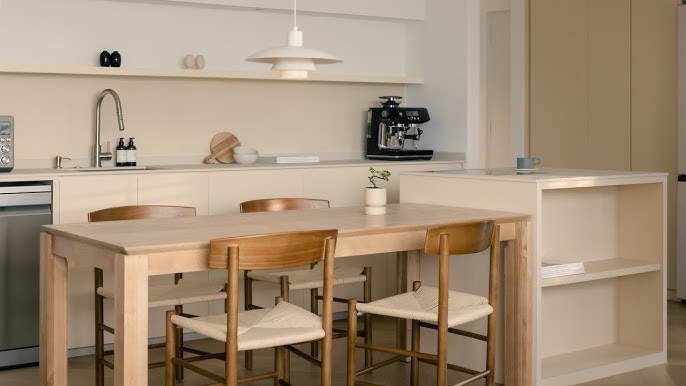
The kitchen in Singapore homes is typically compact, which leads to highly structured usage habits. Cooking routines are designed to minimize mess and simplify cleanup. Many households prefer quick cooking methods that reduce oil splatter and residue buildup.
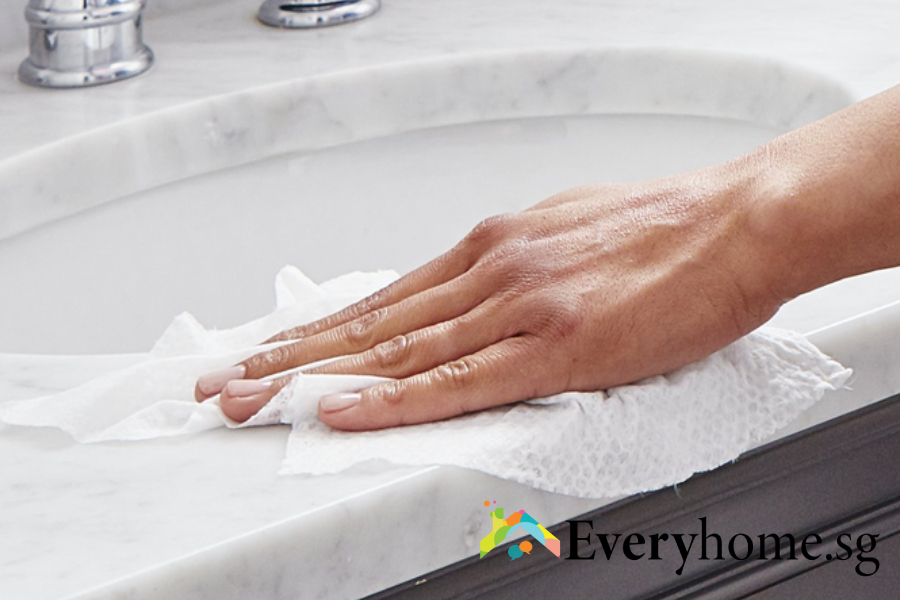
Cleaning immediately after cooking is a standard habit rather than a delayed task. This prevents grease accumulation and pest attraction, especially in warm climates. Surfaces are wiped down daily, and waste disposal is managed frequently to maintain hygiene.
Food storage habits are also highly organized. Refrigerators are arranged in zones, with clear separation between raw and cooked items. Labeling and portion control are common practices, helping reduce food waste and improve efficiency in meal planning.
Time-Efficient Cleaning Cycles Instead of Deep Cleaning Bursts
Instead of relying on occasional intensive cleaning sessions, many households in Singapore follow distributed cleaning cycles. This means cleaning tasks are spread across the week in manageable portions.
For example, one day may focus on bathroom maintenance, another on kitchen surfaces, and another on floor cleaning. This approach prevents fatigue and ensures consistent cleanliness without overwhelming effort.
This system is especially effective in humid environments where dirt and moisture accumulate quickly. By addressing small cleaning tasks frequently, households maintain a stable baseline of hygiene rather than fluctuating between very clean and very messy states.
Shoes-Off Culture and Entryway Hygiene Control
A distinctive habit in Singapore homes is the strict separation between outdoor and indoor environments. Shoes are typically removed before entering living spaces to prevent dirt, dust, and external contaminants from spreading indoors.
Entryways are often designed with designated shoe racks or storage areas. Some homes also include cleaning mats or sanitizing stations near entrances. This habit significantly reduces cleaning workload inside the home and improves overall hygiene.
It also reinforces psychological boundaries between public and private spaces, helping residents mentally transition from outdoor activity to home relaxation.
Digital Organization of Home Management
Modern Singapore households increasingly integrate digital tools into home habit systems. Calendar apps are used to schedule cleaning cycles, maintenance tasks, and grocery shopping routines.
Some families use shared digital lists to coordinate household responsibilities, ensuring that tasks are distributed efficiently among members. Smart home devices also contribute by automating lighting, temperature control, and sometimes even cleaning reminders.
This digital layer reduces mental load and ensures consistency in maintaining home routines, especially for working professionals with limited time.
Minimalism as a Functional Necessity Rather Than a Trend
Minimalism in Singapore homes is not purely aesthetic; it is a practical response to space constraints. Residents tend to avoid unnecessary purchases and prioritize functional items that serve multiple purposes.
This habit reduces clutter accumulation and simplifies cleaning processes. It also supports financial efficiency by discouraging impulsive consumption of items that may not have long-term use.
Over time, this leads to a home environment that is easier to maintain and more adaptable to changing lifestyle needs.
Family-Based Responsibility Distribution Systems
In many households, home maintenance is not handled by a single person. Instead, responsibilities are distributed among family members. This includes cleaning duties, cooking rotations, and organization tasks.
Children are often encouraged to participate in simple tasks such as tidying personal spaces or helping with basic cleaning. This builds early awareness of home responsibility and reduces workload imbalance within the household.
Such systems ensure that home maintenance remains sustainable even in busy households with demanding work schedules.
Long-Term Maintenance Thinking Instead of Reactive Cleaning
A defining characteristic of Singapore home habits is preventive maintenance thinking. Instead of reacting to problems after they occur, residents focus on preventing them in advance.
Examples include regular air-conditioner servicing to avoid breakdowns, periodic pest control to prevent infestations, and routine checks for leaks or mold formation. This proactive approach reduces long-term repair costs and preserves home quality.
It reflects a mindset where maintenance is treated as continuous care rather than emergency response.
Conclusion: A Structured Lifestyle Built on Efficiency and Adaptation
Home habits in Singapore are shaped by environmental pressure, spatial limitations, and fast urban lifestyles. These habits form a structured system where cleanliness, efficiency, and prevention are central principles.
From daily reset routines to climate-based maintenance strategies, each habit serves a functional purpose in maintaining livable, comfortable, and stress-free homes. The overall system is not random but highly adaptive, designed to fit the realities of modern city living.
Understanding these patterns reveals that home management in Singapore is less about individual tips and more about an integrated lifestyle framework where every small action contributes to long-term stability and comfort.