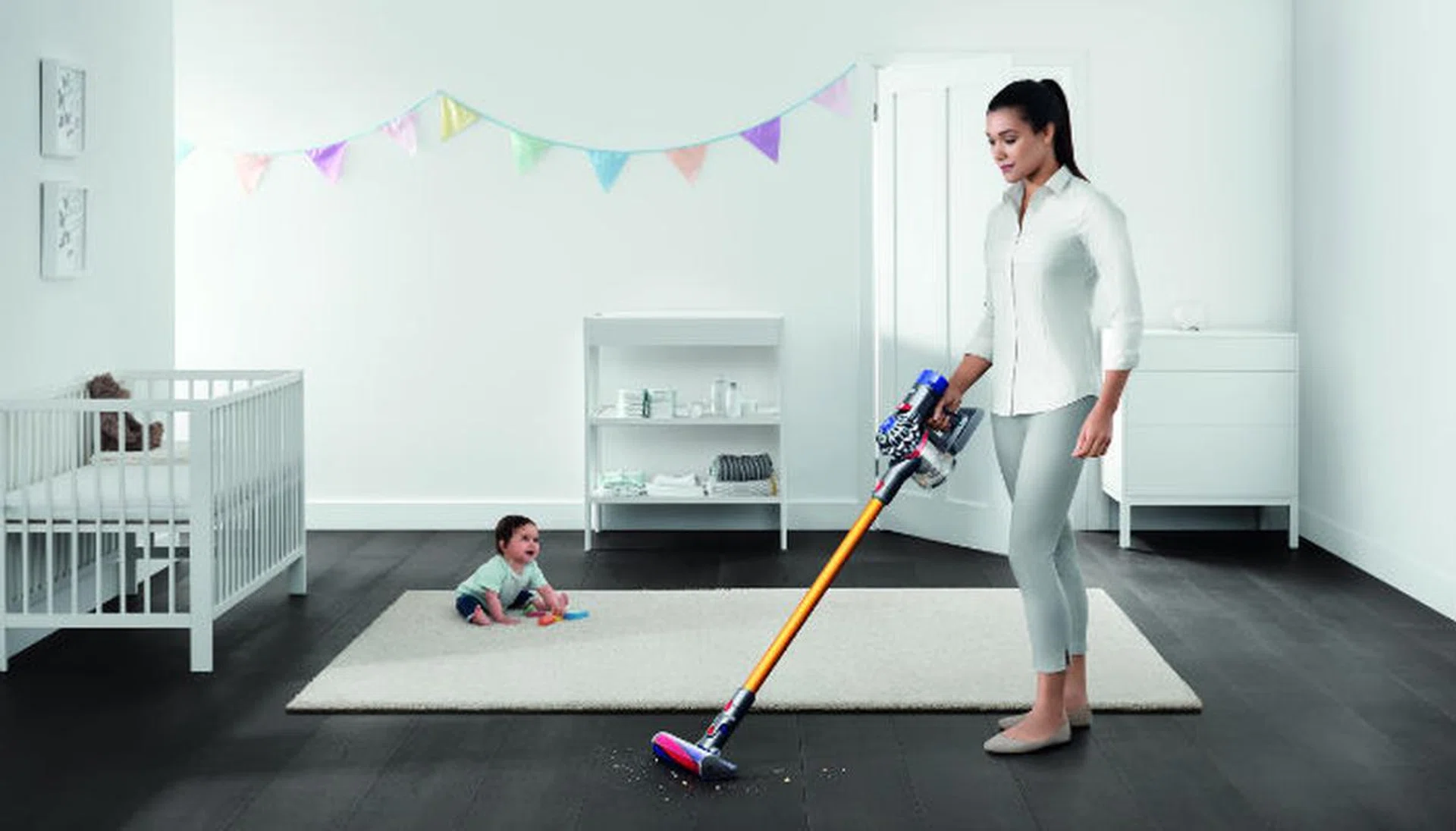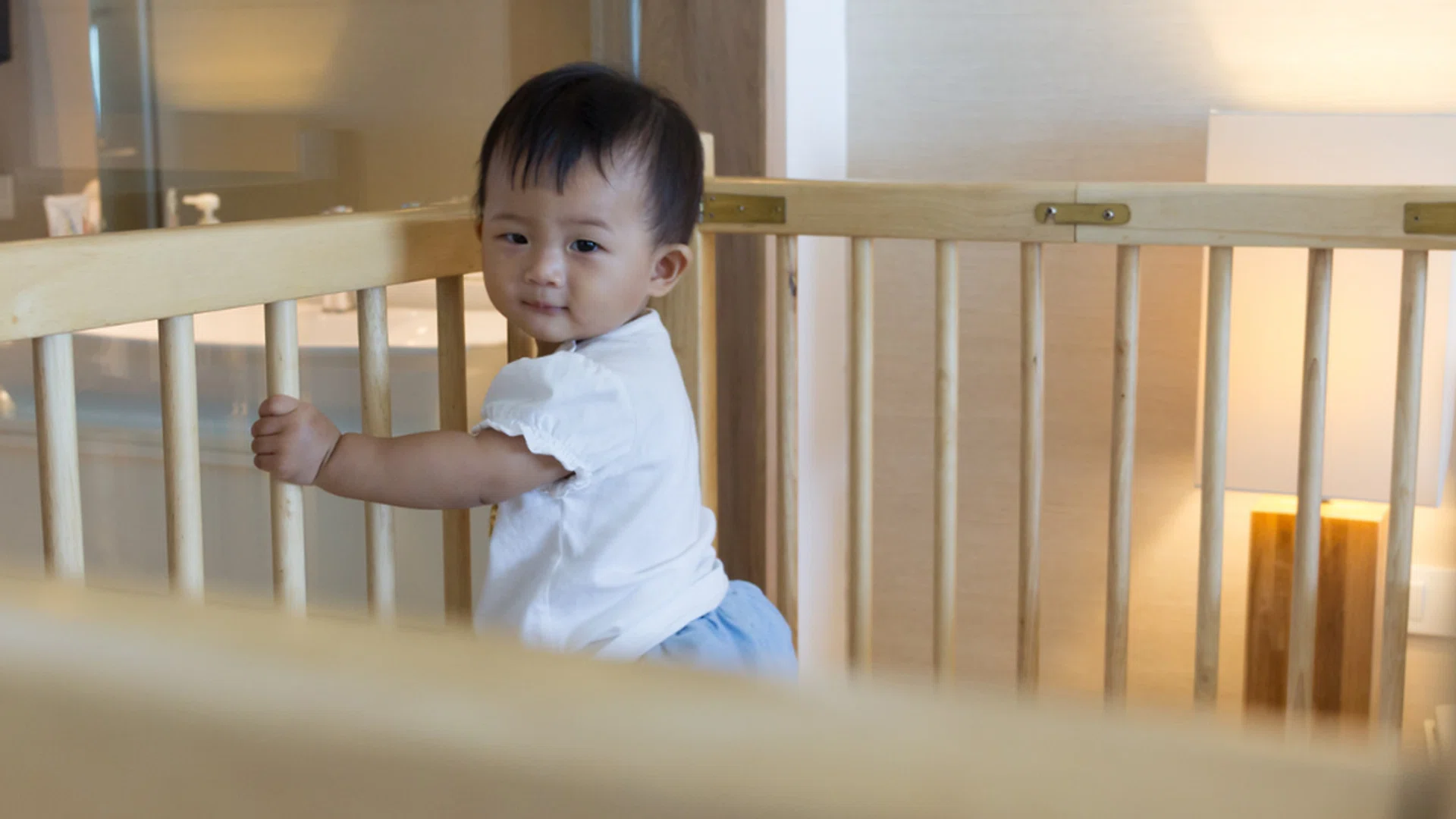
Child safety home singapore at home is one of the most important concerns for parents living in Singapore, especially due to compact housing designs, high-rise buildings, and fast-paced urban lifestyles. Most childhood accidents happen inside the home rather than outside, which makes home environment control a key factor in prevention. In Singapore, common residential layouts such as HDB flats and condominiums often include space limitations, open kitchens, balconies, and elevated windows, which can increase risk exposure for toddlers and young children. Children are naturally curious, and without proper safeguards, everyday household items can quickly become hazards.
Why Home Environments Are High Risk for Children
A home may feel like the safest place, but for children it contains multiple hidden dangers. Furniture edges, electrical sockets, cleaning agents, hot surfaces, and even small objects can lead to injuries if not properly managed. In Singapore households, where multitasking parents and caregivers often juggle work and childcare, supervision gaps can occur. Even a few seconds of distraction can lead to falls, burns, or choking incidents. Understanding that safety is not only about supervision but also about environment design is essential.
Fall Prevention and High-Risk Areas in the Home
Falls are one of the most common causes of injury among young children. In Singapore homes, this risk is increased by bunk beds, staircases in duplex units, and windows located at accessible heights. Children climbing furniture such as sofas, tables, and shelves may also lose balance easily. Preventive steps include installing window grilles, using safety gates at stairs, securing furniture to walls, and avoiding placing beds near windows. Non-slip mats in living areas and bathrooms further reduce slip-related injuries. Parents should regularly inspect flooring conditions to ensure there are no loose tiles, wet patches, or clutter that could lead to accidents.
Kitchen Safety and Burn Prevention Measures
The kitchen is one of the most dangerous areas for children due to hot surfaces, boiling liquids, sharp tools, and electrical appliances. In Singapore, where home cooking is common, many families use gas stoves or induction cookers, both of which pose risks if unattended. Children should be kept away from cooking zones at all times, ideally using safety gates or designated play areas. Pot handles should always be turned inward, and hot liquids should never be left within reach of children. Electrical appliances such as kettles, rice cookers, and air fryers should be unplugged when not in use. Teaching children early that the kitchen is a restricted area helps build long-term safety habits.
Bathroom Safety and Water-Related Hazards
Bathrooms are another high-risk zone due to slippery surfaces and water exposure. Small children can easily slip on wet tiles, even with minor spills. In severe cases, drowning risks exist if a child is left unattended near water-filled buckets or bathtubs. Installing anti-slip mats, using child-safe taps, and keeping toilet lids closed are basic but effective precautions. Parents should always supervise bath time and avoid leaving children alone even for short durations. Storing cleaning chemicals such as detergents and disinfectants in locked cabinets is also essential to prevent accidental ingestion.
Choking Hazards and Small Object Management
Young children explore their environment by putting objects into their mouths, which increases choking risks. Small items such as coins, buttons, toy parts, batteries, and food items like nuts or grapes can be dangerous if not properly managed. In Singapore households, where imported toys and electronic gadgets are common, battery compartments should always be secured. Parents should regularly scan the floor and low furniture areas for small objects. Food preparation for toddlers should include cutting food into small, manageable pieces and avoiding hard or round-shaped items that are difficult to swallow.
Electrical Safety and Device Protection at Home
Modern homes contain multiple electrical devices, which introduce additional risks for children. Power sockets, extension cords, chargers, and appliances can cause shocks or burns if mishandled. In Singapore apartments, where multiple devices are often used simultaneously, overloaded sockets are also a concern. Installing socket covers, organizing cables, and keeping electrical items out of reach helps reduce risk. Teaching children not to touch plugs or switches is important, but physical barriers remain the most effective prevention method. Regular inspection of wires for damage is also necessary to prevent electrical fires.
Window and Balcony Safety in High-Rise Homes
High-rise living is common in Singapore, making window and balcony safety extremely important. Children can easily climb furniture and reach windows if precautions are not taken. Installing sturdy window grilles or restrictors ensures windows cannot open wide enough for a child to fall through. Balconies should never have climbable furniture placed near railings. Even a moment of unsupervised access can result in severe accidents. Parents should also educate caregivers and domestic helpers about keeping balcony doors locked at all times when not in use.
Furniture Stability and Anti-Tip Protection
Large furniture such as wardrobes, shelves, and television units can pose serious danger if they tip over. Children often climb or pull on furniture while playing, especially in small living spaces. Securing heavy furniture to walls using brackets or straps is an important preventive step. Televisions should be placed on stable surfaces or mounted securely. Avoid placing attractive items on top of tall furniture that may encourage children to climb.
Toy Safety and Age-Appropriate Selection
Choosing the right toys is essential for child safety. Toys should always match the child’s age group and developmental stage. Small detachable parts should be avoided for younger children. In Singapore, imported toys may not always align with local safety standards, so parents should check product labeling carefully. Broken toys should be discarded immediately to prevent sharp edges or loose components from causing injuries. Regular toy inspection ensures that wear and tear does not create hidden hazards.
Fire Safety Awareness and Emergency Preparedness
Fire hazards in homes can arise from cooking accidents, electrical faults, or unattended appliances. Families should ensure that smoke detectors are installed and functional. Children should be taught basic emergency awareness such as recognizing alarms and knowing safe exit routes. Keeping emergency contact numbers accessible and having a basic evacuation plan improves preparedness. Avoid storing flammable materials near heat sources, especially in compact kitchens.
Role of Supervision and Habit Formation
While physical safety measures are essential, supervision remains a key factor in preventing accidents. However, supervision alone is not sufficient, especially in busy households. Creating safe habits early in children helps reduce risk over time. Teaching children boundaries such as “no kitchen zone” or “no climbing furniture” reinforces awareness. Caregivers should maintain consistency in enforcing safety rules to avoid confusion.
Age-Based Safety Considerations for Better Protection
Children’s safety needs change as they grow. Infants require protection from choking and suffocation hazards, toddlers need fall prevention and restricted access zones, while older children require education about electrical safety and emergency awareness. Adapting the home environment according to age ensures continuous protection. Parents should reassess safety setups regularly as children become more mobile and independent.
Building a Safer Home Environment Step by Step
Creating a child-safe home in Singapore does not require major renovations. Instead, it involves gradual improvements such as installing safety gates, securing furniture, organizing hazardous items, and improving supervision routines. A systematic approach helps families identify risks they may otherwise overlook. Conducting regular home safety checks ensures that new hazards do not develop over time.
Final Thoughts on Child Safety at Home in Singapore
Child safety at home is a continuous process rather than a one-time setup. In Singapore’s modern living environments, risks are present in every room, but they can be effectively managed through awareness, planning, and consistent safety practices. By combining environmental modifications with behavioral education, parents can significantly reduce the likelihood of accidents. A safe home allows children to explore, learn, and grow confidently while giving parents peace of mind.