waste management singapore has developed one of the most efficient and structured waste management systems in the world due to its limited land resources and high urban density. The entire system is built around minimizing landfill usage, maximizing energy recovery, and increasing recycling efficiency. Waste generated from households, industries, and commercial sectors is carefully collected, sorted, and processed through a centralized system managed by national authorities and licensed operators. The core objective is to reduce environmental impact while maintaining urban cleanliness and sustainability.
Waste Generation Sources and Classification
Waste in Singapore is broadly categorized into three main streams: domestic waste, commercial waste, and industrial waste. Domestic waste includes food waste, packaging materials, paper, plastics, and general household refuse. Commercial waste originates from offices, retail shops, and service-based businesses, often containing paper, cardboard, and food remnants. Industrial waste includes construction debris, manufacturing by-products, and chemical waste from specific industries. Proper classification at the source plays a critical role in ensuring efficient downstream processing and recycling effectiveness.
Waste Collection Framework and Logistics System
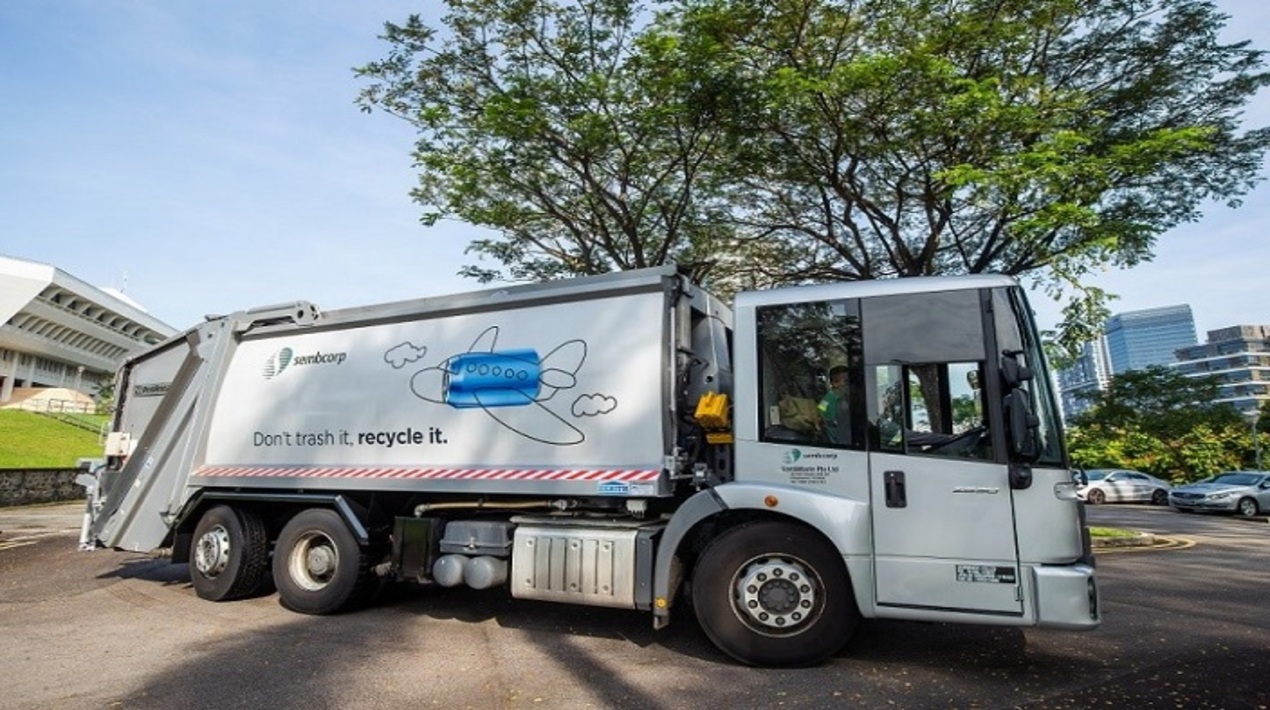
The waste collection system in Singapore is highly organized and follows scheduled routes across residential and commercial zones. Waste is collected using specialized trucks operated by licensed waste management companies. Residential buildings are equipped with centralized waste collection points, often integrated with pneumatic waste conveyance systems in high-rise buildings. Commercial and industrial zones use container-based collection systems for higher efficiency. The logistics network is optimized using route planning technologies to reduce fuel consumption and improve operational efficiency.
Waste Segregation and Source Sorting Practices
Source segregation is a key pillar of Singapore’s waste management strategy. Residents and businesses are encouraged to separate recyclables such as paper, plastic, metal, and glass from general waste. Recycling bins are widely available in residential estates, schools, and public spaces. However, contamination of recyclable waste remains a challenge, especially when food waste is mixed with recyclable materials. Educational campaigns and public awareness programs aim to improve sorting accuracy and encourage responsible disposal habits among citizens.
Recycling Infrastructure and Material Recovery Facilities
Singapore operates advanced Material Recovery Facilities where collected recyclable waste is sorted using a combination of manual labor and automated systems. Technologies such as magnetic separators, optical sorters, and air classifiers are used to separate different materials efficiently. Paper and cardboard are baled and exported or processed into new paper products. Plastics are sorted by type and either recycled or converted into alternative fuels. Metals are recovered and sent to smelting facilities. The recycling sector plays a crucial role in reducing dependency on raw materials and lowering environmental impact.
Waste-to-Energy Incineration Plants and Energy Recovery
A significant portion of Singapore’s non-recyclable waste is processed through waste-to-energy incineration plants. These facilities burn waste at high temperatures, reducing its volume significantly while generating electricity. The energy produced is supplied back to the national grid, contributing to power supply sustainability. Incineration also reduces waste volume by up to 90 percent, minimizing landfill dependency. The process is tightly controlled to ensure emissions meet strict environmental standards, with advanced filtration systems used to reduce air pollutants.
Landfill Management and Offshore Disposal Strategy
Due to land scarcity, Singapore uses offshore landfill facilities such as Semakau Landfill for final waste disposal. Only incineration ash and non-recyclable inert waste are sent to the landfill. The landfill is designed with environmental protection systems to prevent marine pollution and ecosystem damage. It is also managed to maximize lifespan through compact waste layering techniques. Long-term planning includes strategies to extend landfill capacity while reducing waste inflow through improved recycling and reduction initiatives.
Role of Government Policies and Regulatory Framework
Government policies play a central role in shaping waste management practices. Regulations focus on waste reduction, extended producer responsibility, and recycling targets. Businesses are required to comply with strict waste disposal guidelines, while construction projects must implement waste management plans. Policies also encourage sustainable packaging and reduction of single-use plastics. Enforcement is supported through inspections, licensing systems, and penalties for non-compliance, ensuring accountability across all sectors.
Smart Technology Integration in Waste Management
Singapore increasingly integrates smart technologies into waste management operations. Sensor-based bins monitor fill levels and optimize collection schedules. Data analytics is used to predict waste generation patterns and improve logistics planning. Artificial intelligence is being explored for improving sorting accuracy in recycling facilities. Digital tracking systems enhance transparency in waste movement from collection to disposal. These innovations help reduce operational costs and improve environmental performance.
Environmental Impact and Sustainability Goals
The waste management system is closely aligned with Singapore’s sustainability objectives. Key goals include reducing landfill dependency, increasing recycling rates, and lowering carbon emissions. Waste-to-energy systems contribute to renewable energy production, while recycling reduces the need for raw material extraction. Environmental monitoring ensures that waste processing does not harm air, water, or soil quality. Continuous improvement strategies are implemented to align with global sustainability frameworks.
Challenges in Waste Management System
Despite its efficiency, Singapore’s waste management system faces several challenges. Limited land availability restricts landfill expansion, making waste reduction essential. Contamination in recycling streams reduces material recovery efficiency. Increasing consumption patterns also lead to higher waste generation rates. Certain materials, especially plastics, remain difficult to recycle effectively. Managing industrial waste with hazardous components requires strict controls and advanced treatment methods.
Public Awareness and Behavioral Influence
Public participation is essential for the success of waste management systems. Educational campaigns encourage residents to reduce waste generation, reuse materials, and recycle properly. Schools and community programs promote environmental responsibility from an early age. Behavioral change initiatives focus on reducing food waste and improving sorting habits. Despite progress, continuous awareness efforts are needed to strengthen community involvement and long-term sustainability outcomes.
Role of Businesses and Industrial Responsibility
Businesses in Singapore play a significant role in waste generation and management. Corporate sustainability programs focus on reducing packaging waste, improving recycling practices, and adopting eco-friendly materials. Industrial players are required to implement waste tracking and reporting systems. Many companies invest in circular economy practices where waste materials are reused as inputs in production processes. Corporate responsibility is increasingly linked to environmental performance metrics.
Circular Economy Transition and Resource Efficiency
Singapore is gradually transitioning toward a circular economy model where waste is treated as a resource rather than disposal material. This approach emphasizes reuse, refurbishment, and recycling to extend product lifecycles. Industries are encouraged to design products that generate less waste and are easier to recycle. Resource efficiency programs aim to reduce dependency on raw material imports and improve long-term economic sustainability.
Future Developments in Waste Management Systems
Future waste management strategies are expected to focus on higher automation, improved recycling technologies, and stronger circular economy integration. Advanced sorting technologies, chemical recycling methods, and AI-driven waste analytics are expected to enhance system efficiency. There is also growing emphasis on reducing waste at the production stage rather than managing it after disposal. Long-term planning aims to create a more resilient and self-sustaining waste ecosystem.
Conclusion: A Model of Urban Waste Efficiency
Singapore’s waste management system represents a highly structured and technologically advanced model designed for high-density urban environments. By combining strict regulations, advanced infrastructure, and public participation, the system achieves efficient waste processing and environmental protection. Continuous innovation and policy development ensure that Singapore remains at the forefront of sustainable waste management practices while addressing future challenges of urban growth and resource limitations.