bathroom maintenance singapore climate creates a unique challenge for bathroom maintenance. High humidity, frequent rainfall, and limited airflow in compact HDB and condo bathrooms combine to create the perfect environment for mould, mildew, and persistent dampness. Unlike dry climates where cleaning is mainly about dirt removal, bathrooms in Singapore require a prevention-first mindset. Moisture does not just sit on surfaces; it penetrates grout lines, silicone seals, and hidden corners behind fixtures. This makes regular maintenance not optional but essential for long-term hygiene and structural protection. The goal is not only to clean visible dirt but to control moisture at its source before it turns into long-term damage.
Core Principles of Long-Term Bathroom Maintenance
Effective bathroom maintenance in Singapore is built on three foundational principles: moisture control, surface protection, and routine discipline. Moisture control focuses on reducing humidity buildup after every use. Surface protection ensures that tiles, grout, and fixtures resist long-term water absorption. Routine discipline means small, consistent actions that prevent buildup instead of reacting to it later. When these three principles work together, bathroom maintenance becomes easier, faster, and significantly more cost-effective over time.
Humidity Control Strategy for Daily Protection
The most important factor in bathroom maintenance is managing humidity immediately after showering. Leaving steam trapped inside allows condensation to settle on tiles, mirrors, and ceilings. A strong ventilation habit is essential. Exhaust fans should run for at least 15–20 minutes after each shower. If a window is available, cross-ventilation should be created by opening both the bathroom and nearby corridor or room window. Water droplets on mirrors and glass panels should be wiped off immediately using a squeegee to prevent streaks and mineral buildup. Keeping the bathroom door slightly open after use also helps release trapped moisture faster.
Surface Drying Habit for Mould Prevention
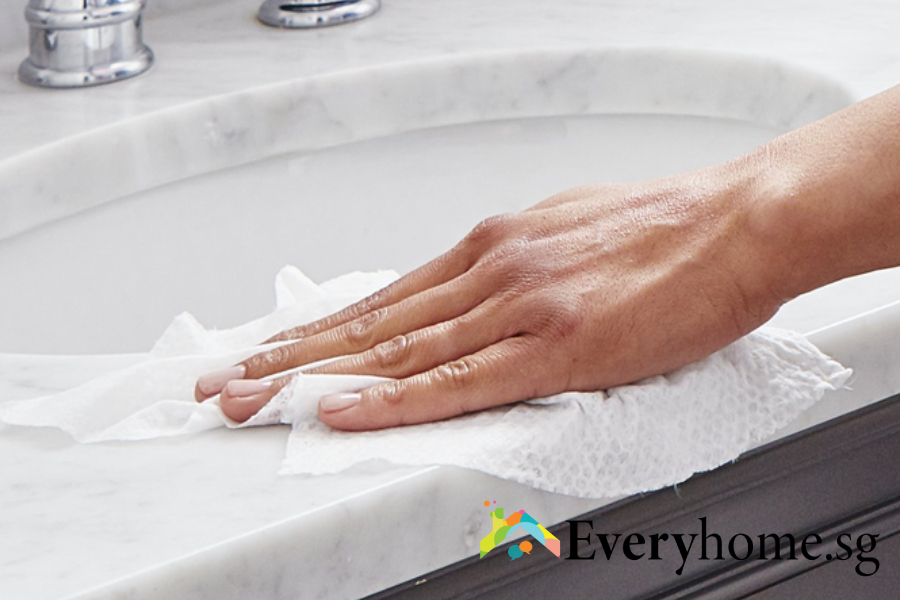
Mould does not grow instantly; it develops in consistently damp conditions. One of the most effective prevention techniques is surface drying. After each shower, visible wet areas such as glass doors, sink edges, and tiled walls should be quickly wiped down. Even a 60–90 second effort significantly reduces long-term moisture retention. Shower mats should be hung or placed where air can circulate underneath. Wet towels should never remain in enclosed bathroom spaces as they release continuous moisture into the air.
Weekly Deep Maintenance Routine
A structured weekly cleaning routine ensures that small buildup does not turn into stubborn stains or microbial growth. This routine should focus on four main zones: toilet area, shower area, sink area, and floor surface. The toilet bowl and seat require disinfection to remove bacteria and odor buildup. Shower walls and tiles should be scrubbed to prevent soap scum accumulation. Sink drains need flushing to avoid clogging from hair and residue. Floors should be cleaned with disinfectant solutions to eliminate invisible bacteria that thrive in moisture-rich environments. Consistency is more important than intensity, as regular light cleaning prevents the need for harsh deep cleaning later.
Grout and Tile Protection System
Grout lines are one of the most vulnerable areas in any bathroom. Their porous structure allows water absorption, which leads to discoloration and mould growth over time. A protective maintenance approach includes sealing grout periodically to reduce moisture penetration. Cleaning grout with mild acidic solutions helps break down early-stage stains before they become permanent. Scrubbing should be done using soft brushes to avoid damaging tile surfaces. Once grout darkening becomes visible, immediate treatment is necessary, as delayed action often leads to irreversible staining.
Ventilation Optimization for Small Bathrooms
Many Singapore bathrooms, especially in HDB flats, have limited natural airflow. This makes mechanical ventilation crucial. Exhaust fans should be checked regularly to ensure they are functioning efficiently and not blocked by dust. Air circulation can be improved by avoiding clutter near ventilation points. Keeping bathroom doors open when not in use allows passive airflow from surrounding rooms. In bathrooms without windows, a combination of exhaust fans and dehumidifying practices becomes even more important to prevent long-term moisture buildup.
Drain and Plumbing Maintenance Checkpoints
Drain systems are often overlooked until problems arise. Hair, soap residue, and debris gradually accumulate in shower and sink drains, leading to slow drainage and unpleasant odors. A preventive approach includes monthly drain flushing using hot water and safe cleaning agents. Drain covers should be cleaned weekly to remove trapped debris. Any signs of slow water flow should be addressed immediately before clogging becomes severe. Proper drainage ensures that standing water does not become a breeding ground for bacteria or insects.
Mould Prevention Strategy for High-Risk Areas
Certain bathroom zones are more prone to mould growth, especially ceiling corners, behind toilets, and around silicone seals. These areas should be inspected regularly. Early-stage mould appears as small black or green spots and should be treated immediately before spreading. Anti-mould cleaning solutions or diluted vinegar mixtures can be used for early intervention. However, persistent mould indicates deeper moisture issues that require ventilation or sealing improvements rather than just surface cleaning.
Daily Micro-Maintenance System
Instead of waiting for weekly cleaning, a micro-maintenance system helps keep bathrooms consistently clean with minimal effort. This system includes quick tasks such as wiping wet surfaces after use, ensuring towels are dry, checking for standing water, and lightly spraying disinfectant in high-touch areas like taps and flush buttons. These actions take less than five minutes but significantly reduce long-term cleaning effort. Over time, this habit prevents heavy buildup and keeps the bathroom in a near-clean state daily.
Long-Term Material Care and Bathroom Longevity
also about preserving materials. Silicone seals around sinks and showers degrade over time due to constant moisture exposure. These seals should be inspected regularly for cracks or discoloration. Tile surfaces should be checked for loosening or water seepage signs. Proper maintenance extends the lifespan of bathroom materials and reduces renovation costs. Applying protective coatings or sealants where necessary helps maintain durability in high-moisture environments.
Common Mistakes in Bathroom Maintenance
Many homeowners unintentionally worsen bathroom conditions through incorrect practices. Overusing harsh chemicals can damage tile surfaces and grout. Ignoring ventilation after showers traps moisture inside the room. Leaving wet items inside the bathroom increases humidity levels. Cleaning only when visible dirt appears allows deeper microbial growth. Avoiding these mistakes is just as important as following proper maintenance routines.
Efficient Bathroom Maintenance Schedule Overview
A structured schedule ensures consistency without overwhelming effort. Daily focus should be on drying surfaces and controlling moisture. Weekly focus should be on cleaning and disinfecting all main areas. Monthly focus should include drain maintenance, grout inspection, and ventilation checks. Quarterly focus should involve deeper inspection of seals, tiles, and potential mould-prone areas. This layered schedule creates a balanced system that keeps maintenance manageable and effective.
Conclusion: Building a Maintenance-First Bathroom Lifestyle
Bathroom maintenance in Singapore is fundamentally about adapting to a humid environment with smart, consistent habits. Instead of reactive cleaning after problems appear, a structured maintenance system ensures that moisture, mould, and damage are controlled from the start. By combining daily micro-habits, weekly cleaning routines, and long-term protection strategies, any bathroom can remain clean, hygienic, and durable. The key is consistency, not complexity. A well-maintained bathroom is not the result of occasional deep cleaning but of small preventive actions performed regularly over time.