humidity control singapore home Singapore means dealing with a naturally humid tropical climate where outdoor humidity often stays between 70% and 90% throughout the year. When this moisture enters homes, it creates persistent indoor humidity issues that affect comfort, health, and property condition. The problem becomes even more noticeable in apartments and HDB flats where ventilation is limited or airflow is restricted by building design. Everyday activities such as cooking, showering, drying clothes indoors, and even breathing contribute additional moisture into the air. Without proper control, this moisture accumulates and creates an environment where mold, dust mites, and musty odors thrive. The key to managing humidity is understanding that it is not a one-time fix but a continuous system involving airflow, moisture reduction, and smart home habits.
Ideal Indoor Humidity Range for Healthy Living
Maintaining the right indoor humidity level is essential for both comfort and health. The recommended range for homes is typically between 40% and 60%. When humidity rises above 60%, mold growth becomes more likely, and dust mites multiply rapidly. Below 40%, air becomes too dry, which can cause skin irritation and respiratory discomfort. In Singapore’s climate, most homes naturally exceed the upper limit unless active control methods are used. Monitoring humidity with a hygrometer helps homeowners understand real-time indoor conditions and take corrective actions before problems escalate. Consistent monitoring is the foundation of effective humidity control because it turns guesswork into measurable data.
Common Signs of High Humidity in Homes
High humidity often reveals itself through subtle but persistent signs that many homeowners ignore until damage becomes visible. One of the earliest indicators is a musty smell, especially in bedrooms, wardrobes, and storage areas. Walls may start developing dark patches or mold spots, particularly in corners or behind furniture where airflow is weak. Clothes stored in cupboards may feel damp even after washing, and wooden furniture may begin to warp or swell over time. Condensation on windows is another strong indicator that indoor moisture levels are too high. Recognizing these signs early helps prevent long-term structural damage and health issues.
Primary Causes of Indoor Humidity Build-Up
Several factors contribute to rising indoor humidity in Singapore homes. Poor ventilation is one of the most significant causes, especially in tightly sealed apartments where natural airflow is limited. Daily household activities such as boiling water, cooking with open pots, and showering release large amounts of moisture into the air. Drying clothes indoors is another major contributor, as wet fabrics continuously release water vapor. Air conditioning systems, while cooling the air, can sometimes trap moisture if not properly maintained. Additionally, external weather conditions constantly push humid air into homes through doors, windows, and small structural gaps. Understanding these sources helps in building a targeted control strategy rather than relying on a single solution.
Ventilation Strategies for Natural Moisture Reduction
Improving airflow is one of the most cost-effective methods for reducing humidity. Cross ventilation, where air enters from one side of the home and exits from another, helps push out trapped moisture. Opening windows during cooler and less humid hours, such as early morning or late evening, allows fresh air exchange without introducing excessive heat. Using exhaust fans in kitchens and bathrooms helps remove moisture at its source before it spreads throughout the home. Ceiling fans also play a role by keeping air circulating, preventing stagnant pockets where humidity tends to accumulate. However, ventilation alone is often not sufficient in Singapore’s climate and must be combined with other methods for effective control.
Role of Dehumidifiers in Modern Humidity Control
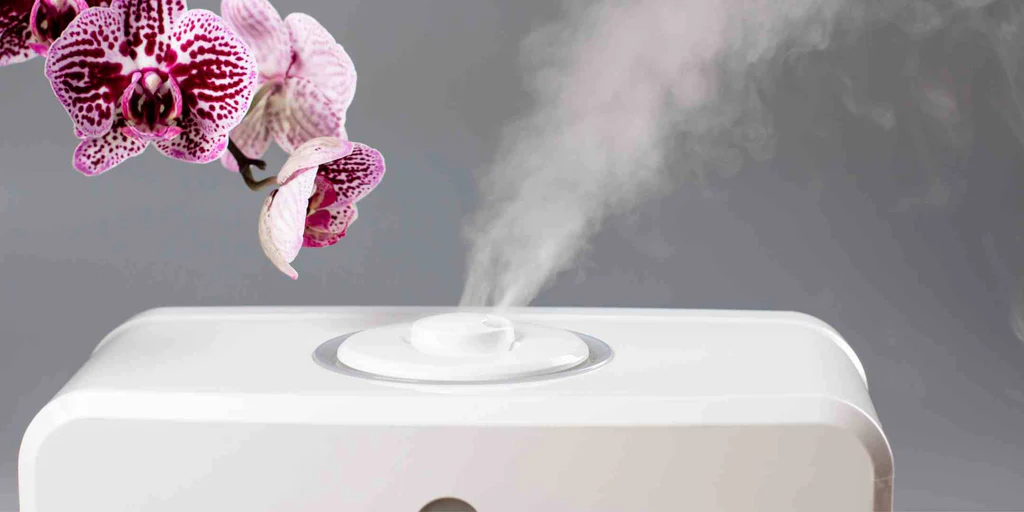
Dehumidifiers are one of the most effective tools for managing indoor moisture levels in Singapore homes. These devices actively extract water vapor from the air, reducing humidity to comfortable levels and preventing mold growth. They are especially useful in bedrooms, wardrobes, and enclosed spaces where ventilation is limited. Modern dehumidifiers often come with humidity sensors that automatically adjust operation based on real-time conditions, making them energy efficient and convenient. While they consume electricity, their ability to protect furniture, clothing, and health often outweighs operating costs. Strategic placement of dehumidifiers in high-moisture zones maximizes their effectiveness.
Air Conditioning as a Dual-Purpose Humidity Control Tool
Air conditioners do more than cool air; they also help reduce humidity by removing moisture during the cooling process. However, their effectiveness depends on usage patterns and maintenance. Running air conditioning in “dry mode” can help lower humidity without excessive cooling. Regular cleaning of filters is essential because clogged filters reduce efficiency and can trap moisture inside the system. While air conditioning is useful for short-term relief, it is not always the most energy-efficient long-term solution for humidity control. Combining air conditioning with ventilation or dehumidifiers creates a more balanced and efficient system.
Controlling Humidity in Specific Areas of the Home
Different areas of the home require different humidity control strategies. Bedrooms should prioritize comfort and air quality, making dehumidifiers and proper bedding storage essential. Bathrooms are high-moisture zones and require strong exhaust ventilation and frequent drying of surfaces after use. Kitchens generate moisture through cooking, so using range hoods and keeping windows open during food preparation helps significantly. Wardrobes and storage spaces are particularly vulnerable because they are closed environments where moisture accumulates unnoticed. Using moisture absorbers or small dehumidifiers in these areas prevents long-term damage to clothes and fabric materials.
Preventing Mold Growth Through Moisture Control
Mold thrives in environments where humidity remains consistently high, especially above 60%. Preventing mold requires a combination of moisture control and surface maintenance. Keeping surfaces dry, ensuring airflow in hidden corners, and reducing indoor humidity levels are key strategies. Furniture should be placed slightly away from walls to allow air circulation behind them. Regular cleaning of potential mold-prone areas such as bathrooms and window frames also helps prevent buildup. Once mold appears, it spreads quickly, making prevention far more effective than treatment. Long-term humidity control is the most reliable way to avoid recurring mold issues.
Energy Efficiency and Cost Considerations
Humidity control systems vary in cost and energy consumption. Dehumidifiers consume electricity but provide targeted moisture control, while air conditioners consume more energy but offer cooling alongside dehumidification. Ventilation is the most energy-efficient method but is dependent on external weather conditions. Smart usage involves balancing these methods to minimize cost while maintaining comfort. For example, using ventilation during suitable weather, dehumidifiers for targeted control, and air conditioning for cooling needs creates an efficient hybrid system. Understanding energy usage patterns helps homeowners manage monthly utility costs effectively.
Smart Home Technology for Humidity Monitoring
Modern homes increasingly use smart sensors to monitor humidity levels in real time. These devices can connect to mobile apps, allowing homeowners to track indoor conditions even when away. Some systems automatically trigger dehumidifiers or air conditioning units when humidity exceeds a set threshold. This automation ensures consistent control without manual intervention. Smart humidity monitoring is particularly useful for busy households or vacation homes where continuous oversight is not possible. Integrating technology into humidity management adds precision and convenience to traditional methods.
Long-Term Strategy for Sustainable Humidity Control
Effective humidity control is not about relying on a single solution but building a layered system. A sustainable approach includes proper ventilation, strategic use of appliances, moisture monitoring, and good household habits. Over time, these combined efforts reduce the risk of mold, improve air quality, and protect the structural integrity of the home. Homeowners who consistently manage humidity also experience better sleep quality, reduced allergy symptoms, and improved overall comfort. The goal is not just temporary relief but long-term environmental stability inside the home.
Final Practical Checklist for Homeowners
Maintain indoor humidity between 40% and 60% at all times
Use ventilation during low-humidity outdoor conditions
Run dehumidifiers in closed or high-risk spaces
Avoid drying clothes indoors whenever possible
Clean air conditioning filters regularly for efficiency
Monitor humidity using digital hygrometers
Keep furniture slightly away from walls for airflow
Use exhaust fans in kitchens and bathrooms consistently
Address mold signs immediately before they spread
Combine multiple methods instead of relying on one solution
A structured approach to humidity control ensures that Singapore homes remain comfortable, healthy, and durable despite the challenges of a tropical climate.