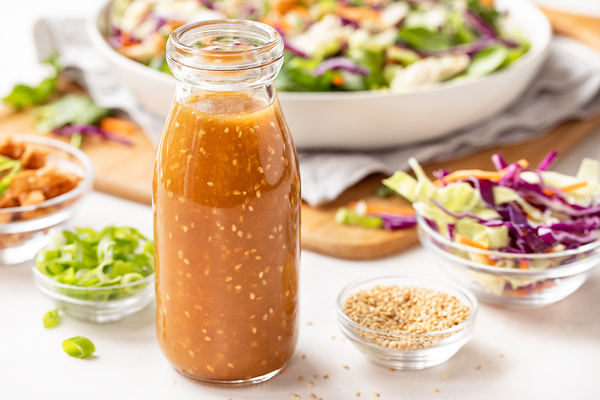
Asian salad dressing is not a single recipe but a flavor system built on balance between salty, sweet, sour, and umami elements. Unlike Western creamy dressings that rely heavily on dairy or mayonnaise, Asian-style dressings are typically oil-vinegar based or soy-based emulsions that highlight brightness and depth at the same time. The foundation usually begins with a combination of soy sauce for saltiness and umami, rice vinegar for acidity, sesame oil for aroma, and a sweetener like honey or sugar to round out sharp edges. This balance creates a dressing that enhances fresh vegetables without overpowering them. The real strength of this dressing style is its adaptability, making it suitable for salads, noodles, grilled vegetables, and protein marinades.
Essential Flavor Building Blocks You Must Understand
Every effective Asian salad dressing follows a structured flavor architecture. The first layer is acidity, typically from rice vinegar, lime juice, or sometimes apple cider vinegar, which provides freshness and cuts through richness. The second layer is umami, usually delivered through soy sauce, tamari, or miso paste, which adds savory depth. The third layer is sweetness, commonly honey, maple syrup, brown sugar, or agave, which balances acidity and saltiness. The final layer is fat, often sesame oil, peanut oil, or neutral vegetable oil, which carries flavor and adds body to the dressing. When these four components are balanced correctly, the result is a dressing that feels complete, complex, and highly addictive on salads or bowls.
Core Ingredients Commonly Used in Asian Salad Dressing Systems
Most variations of Asian salad dressing are built from a consistent ingredient set. Soy sauce is the backbone, delivering salt and umami in one ingredient. Rice vinegar is preferred due to its mild acidity compared to stronger vinegars. Sesame oil is used sparingly because of its strong aroma and toasted flavor profile. Fresh ginger adds sharpness and warmth, while garlic introduces depth and slight pungency. Sweeteners such as honey or sugar help soften acidity and salt intensity. Optional ingredients include chili flakes or sriracha for heat, miso paste for fermentation depth, and lime juice for citrus brightness. These ingredients can be adjusted depending on whether the dressing is intended for salads, noodles, or marinades.
Classic Sesame Soy Asian Dressing Formula
One of the most widely used versions is the sesame soy dressing. It typically combines soy sauce, rice vinegar, sesame oil, honey, and fresh grated ginger. This version is known for its versatility and is often used in cabbage salads, slaws, and cold noodle dishes. The sesame oil provides a nutty aroma that defines the dressing, while the vinegar ensures freshness. Ginger enhances digestion-like sharpness that keeps the dressing light. This variation is especially popular because it can be prepared in minutes and stored easily for several days without losing flavor integrity.
Spicy Asian Dressing Variation for Bold Flavor Lovers
For those who prefer heat, spicy Asian dressing introduces chili-based ingredients such as chili oil, sriracha, or crushed red pepper flakes. This variation keeps the base structure similar but enhances intensity through capsaicin-driven heat. Garlic is often increased in this version to match the boldness of chili, while honey or sugar is slightly elevated to balance spice. This type of dressing works especially well with grilled meats, tofu bowls, and crunchy vegetable salads. It also performs well as a dipping sauce for dumplings or spring rolls, making it more than just a salad topping.
Creamy Asian Fusion Dressing Style
Creamy versions of Asian salad dressing introduce emulsified ingredients such as peanut butter, tahini, or mayonnaise to create a thicker texture. Peanut-based dressings are particularly common in Southeast Asian-inspired recipes. These versions maintain soy sauce and vinegar as the flavor base but transform the texture into something richer and more filling. Creamy dressings are ideal for hearty salads with noodles, shredded chicken, or roasted vegetables. The key challenge in this variation is balancing thickness with acidity so the dressing remains smooth and not overly heavy.
Low-Calorie and Health-Focused Dressing Options
Health-conscious versions of Asian salad dressing focus on reducing sugar and oil content while maintaining flavor complexity. These variations often use low-sodium soy sauce, increased vinegar ratios, and natural sweeteners in smaller quantities. Some recipes replace oil with water-based emulsions or citrus juice to lower calorie density. Ginger and garlic are emphasized more heavily to compensate for reduced fat. These dressings are especially popular in meal-prep routines where users want flavor without high calorie intake. Despite being lighter, they still retain strong umami presence due to soy or miso components.
Regional Flavor Differences Across Asian Dressing Styles
Asian salad dressing is not uniform across cultures. Japanese-style dressings often focus on sesame, soy, and mild sweetness, resulting in clean and subtle flavor profiles. Chinese-inspired versions tend to be stronger in soy sauce and vinegar, often with garlic emphasis. Korean dressings may include gochujang or chili paste for spice and fermentation depth. Southeast Asian versions, particularly Thai-inspired dressings, incorporate lime juice, fish sauce alternatives, and chili for sharp and tangy flavor complexity. Understanding these regional differences helps create more authentic and intentional dressing profiles rather than generic mixtures.
Advanced Emulsification Techniques for Better Texture
A well-made Asian salad dressing is not just about ingredients but also technique. Emulsification is the process of combining oil and water-based ingredients into a stable mixture. This can be achieved by whisking vigorously, shaking in a sealed jar, or slowly drizzling oil while mixing. Adding mustard or honey can help stabilize emulsions naturally. Proper emulsification ensures that the dressing coats salad ingredients evenly instead of separating into layers. This technique significantly improves texture, flavor distribution, and visual appeal.
Best Salad Pairings for Asian Dressings
Asian salad dressings pair best with vegetables that can absorb strong flavors. Cabbage-based slaws are ideal because they hold texture while absorbing dressing deeply. Cucumber salads benefit from light sesame-based dressings that enhance freshness. Leafy greens such as spinach or romaine work well with lighter vinaigrette-style versions. Grain bowls featuring quinoa or rice pair best with thicker or creamy variations. Protein-based salads with chicken, tofu, or shrimp also absorb dressing effectively, making them more flavorful and satisfying.
Storage Guidelines and Shelf Life Optimization
Homemade Asian salad dressings typically last between five to seven days when stored properly in airtight containers under refrigeration. Dressings containing fresh garlic or ginger may have slightly shorter shelf life due to natural ingredient breakdown. Oil-based dressings tend to last longer than creamy versions because they contain fewer perishable components. Shaking or stirring before use is essential because natural separation occurs over time. Proper storage not only maintains safety but also preserves flavor intensity.
Common Mistakes in Making Asian Salad Dressing
One common mistake is overusing sesame oil, which can overpower other flavors quickly. Another issue is imbalance between sweetness and acidity, which can make the dressing taste either too sharp or too syrupy. Many beginners also skip proper emulsification, resulting in separated and uneven texture. Using low-quality soy sauce can also negatively affect overall taste depth. Another mistake is not tasting and adjusting gradually, which leads to unbalanced flavor profiles that do not complement salads properly.
How to Customize Your Own Signature Asian Dressing
Creating a personalized version of Asian salad dressing involves adjusting ratios based on preference. For stronger flavor, increase soy sauce or miso content. For lighter profiles, increase vinegar or citrus. For richer taste, increase sesame oil or add nut butter. Heat levels can be controlled through chili additions, while sweetness can be adjusted using honey or sugar alternatives. The key is incremental adjustment rather than large changes, ensuring balance is maintained at every step.
Final Insight on Asian Salad Dressing Mastery
Asian salad dressing is fundamentally about harmony rather than complexity. Once the basic structure of salt, sweet, sour, and fat is understood, endless variations become possible. Whether used as a salad topping, marinade, or dipping sauce, its versatility makes it one of the most useful flavor systems in global cuisine. Mastery comes from understanding balance, experimenting with regional influences, and refining texture through emulsification techniques. When done correctly, even a simple mix of pantry ingredients can transform into a restaurant-quality dressing that elevates any dish.